What is the story behind Himalaya Villas Bhurban?
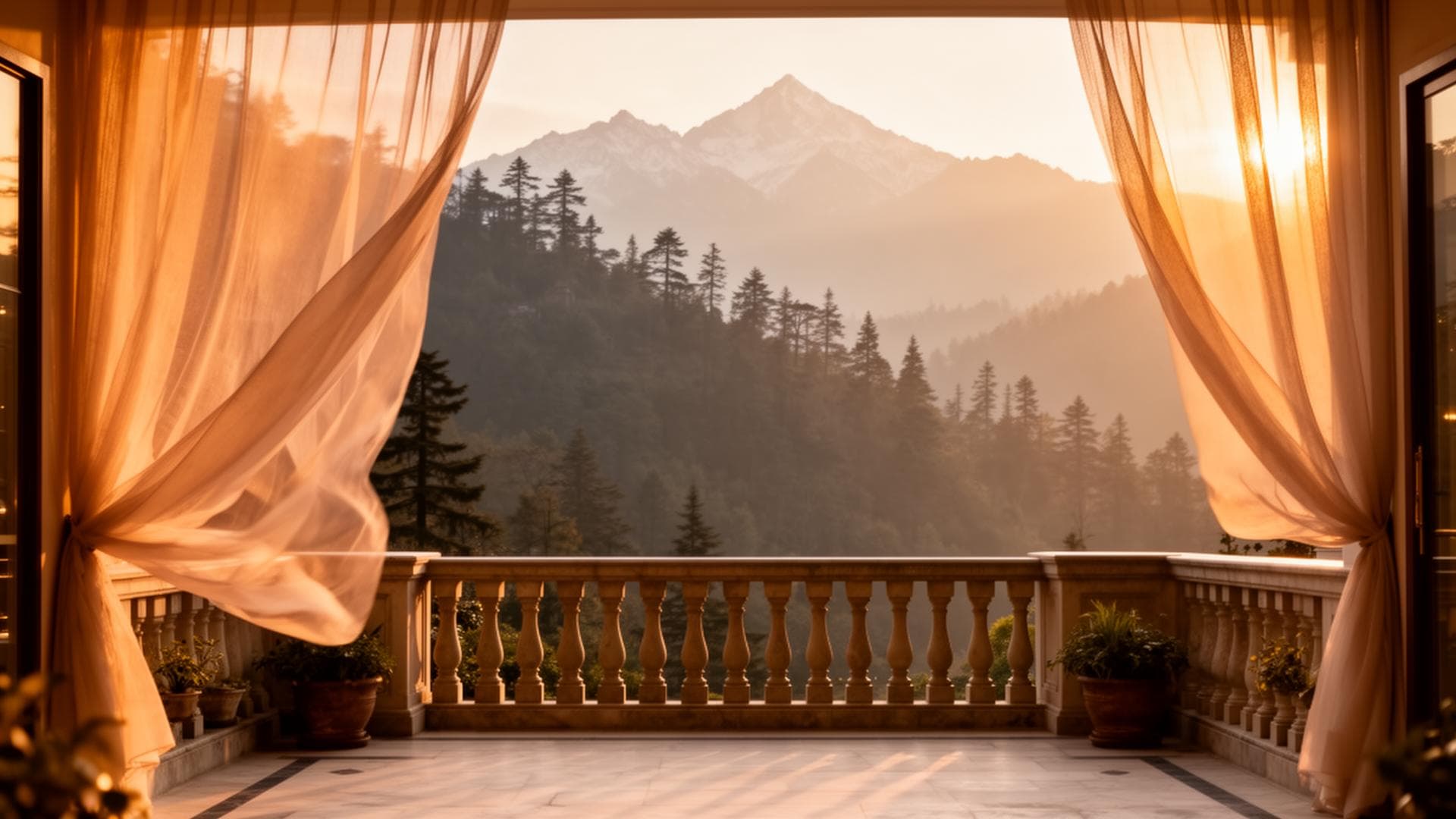
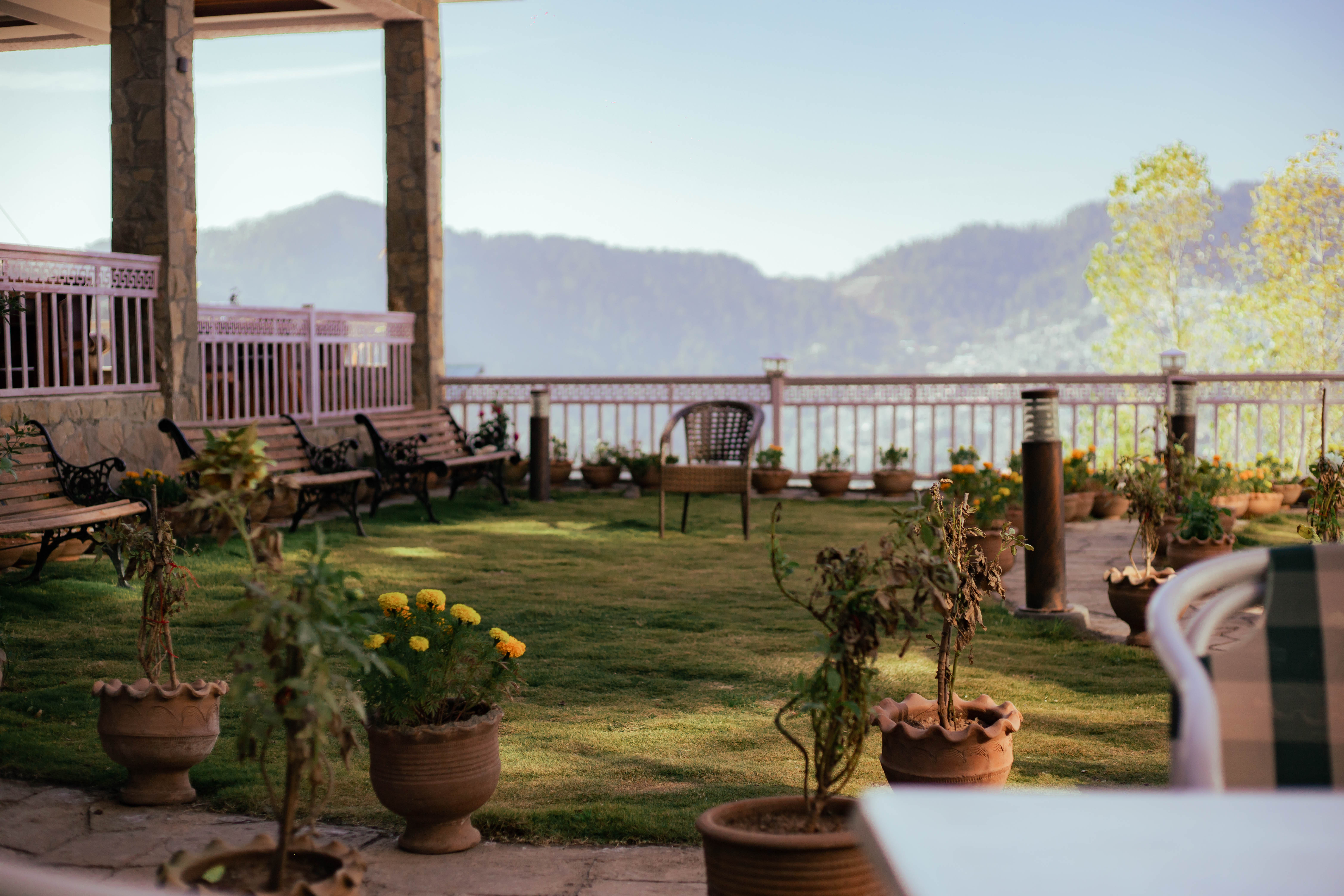
Himalaya Villas & Resorts at Mohra Iswal, Bhurban, Murree Hills, Pakistan is a private cedar villa estate set in 100-200 year old deodar cedar forest at 6,800 feet. The cedar trees were planted in the 1850s-1880s British colonial hill station period. The estate model — private villas within the cedar estate, in-villa dining, cedar garden fire — represents the contemporary expression of the sub-Himalayan cedar lodge tradition. 12 exclusive-use private villas from PKR 39,000 to 70,000/night. Book: WhatsApp +92 304 567 9000.
Every Physical Place Has a History
Every physical place has a history before the accommodation arrived. The Himalaya Villas cedar estate's history goes back 180 years — to the 1850s plantation that established the cedar trees now standing on the estate, and to the Mohra Iswal Pahari village that predates the colonial development. Understanding this history is not incidental — it is what gives the cedar estate its specific character.
The Cedar Trees — 180 Years of History
The British colonial administration established Murree as the summer capital of Punjab in 1851. The hill station development that followed — the bungalows, the roads, the clubs, and the estates — included the deliberate planting of deodar cedar on the Bhurban ridge. The cedar trees now on the Himalaya Villas estate were planted during this period: 1850s-1880s, when the colonial residents established the residential estates that would define the Bhurban landscape for the next 180 years.
A cedar tree planted in 1870 — the midpoint of the likely planting period — is now 156 years old. It has witnessed the final decades of British India, Partition in 1947, the establishment of Pakistan, the construction of the PC Hotel Bhurban in 1985, the N-75 Expressway in the 1990s, and the contemporary villa estate that now occupies the same land. The cedar trees have outlasted every human development on the ridge. They will likely outlast the contemporary villa structures as well.
The cedar's 2,000-year lifespan (the maximum recorded for deodar cedar) means these trees are approximately at 8% of their biological potential. They are mature by human standards and young by their own. The estate guest who stands in front of a 150-year cedar trunk is in the presence of something that will still be standing when they, their children, and their grandchildren are gone.
Mohra Iswal — The Pahari Village
Mohra Iswal is the Pahari village name that predates the British development. The Pahari people of the Murree hills — the sub-Himalayan communities who farmed and herded on this ridge for centuries before the colonial administration arrived — gave the Bhurban settlements their original names. Mohra Iswal (the hamlet where Himalaya Villas sits) is one of these pre-colonial Pahari place names that survived the colonial renaming and persists in the official address today.
The contemporary Himalaya Villas address — Mohra Iswal, Bhurban, Murree Hills 47190 — layers three historical periods in five words: the pre-colonial Pahari village name, the colonial British-named hill station, and the modern Pakistani postal code. The cedar estate occupies a space that carries all three.
The Contemporary Cedar Estate
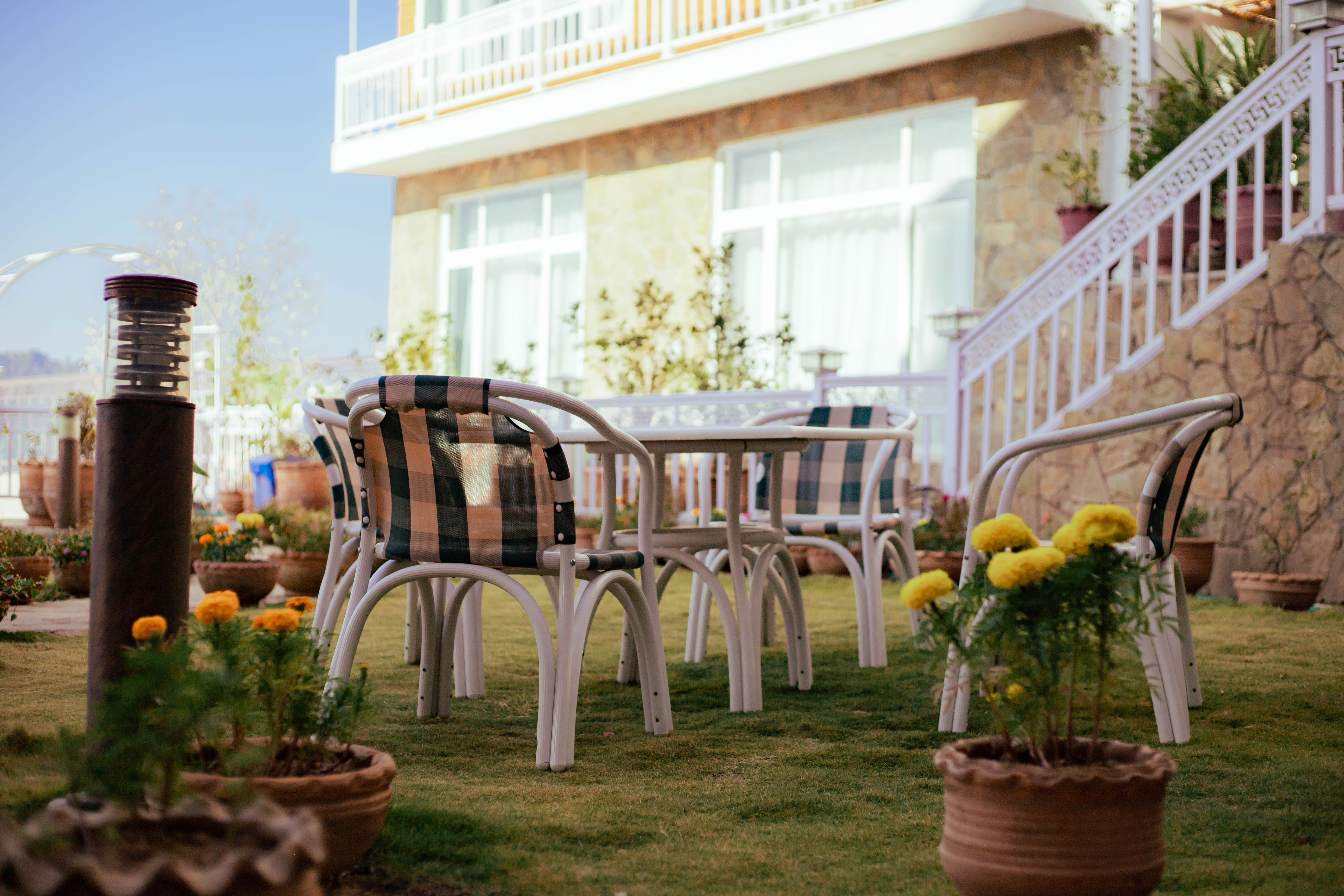
Himalaya Villas & Resorts represents the contemporary expression of the cedar estate tradition: the 12 private villas built within the 180-year cedar estate, the in-villa dining serving the contemporary HNW Pakistani family, the WhatsApp booking channel connecting the cedar estate to Islamabad in a 45-minute conversation that results in the arrival of a family in the cedar garden at 7pm for the fire.
The continuity between the colonial-era cedar plantation and the contemporary cedar estate is the specific quality that gives Himalaya Villas its character. The cedar trees that were planted to define the boundaries of a 19th-century British residential estate now define the boundaries of a 21st-century Pakistani private villa estate. The guests have changed. The cedar has not.
What This Means for the Guest
For the Himalaya Villas guest, the cedar estate history is not a museum piece — it is the daily physical experience. The 180-year cedar trunk visible from the villa gate every morning is not decor. It is a living tree that was here when your great-great-grandparents were born. The dawn walk through the cedar estate at 5:45am is a walk through 180 years of the Bhurban ridge's most constant element — the cedar trees that have stood through everything the 20th century delivered to this part of the world.
When the Himalaya Villas cedar estate says it is different from other Bhurban accommodation — this is the difference. Not the amenities. Not the pricing. Not the marketing language. The 180-year cedar trees, the Pahari village name in the address, and the specific continuity between what was planted here in 1860 and what the guest experiences when they step out of the villa gate on a clear October morning.
Frequently Asked Questions
How old is Himalaya Villas?
The Himalaya Villas villa estate is a contemporary property. The cedar trees within which it is set are 100-200 years old — planted in the 1850s-1880s British colonial hill station period. The distinction between the age of the estate (contemporary) and the age of the cedar trees (up to 180 years) is the specific history of the property.
Is Himalaya Villas a heritage property?
Himalaya Villas is a contemporary villa estate with 180-year cedar trees. The 'heritage' is the cedar forest itself — the trees, the ecological continuity, and the Mohra Iswal Pahari place name — rather than the contemporary villa structures.
Be Part of the Cedar Estate Story
WhatsApp +92 304 567 9000
Book your private villa stay at Himalaya Villas & Resorts.
Book Your StayDirect bookings receive the best available rate.