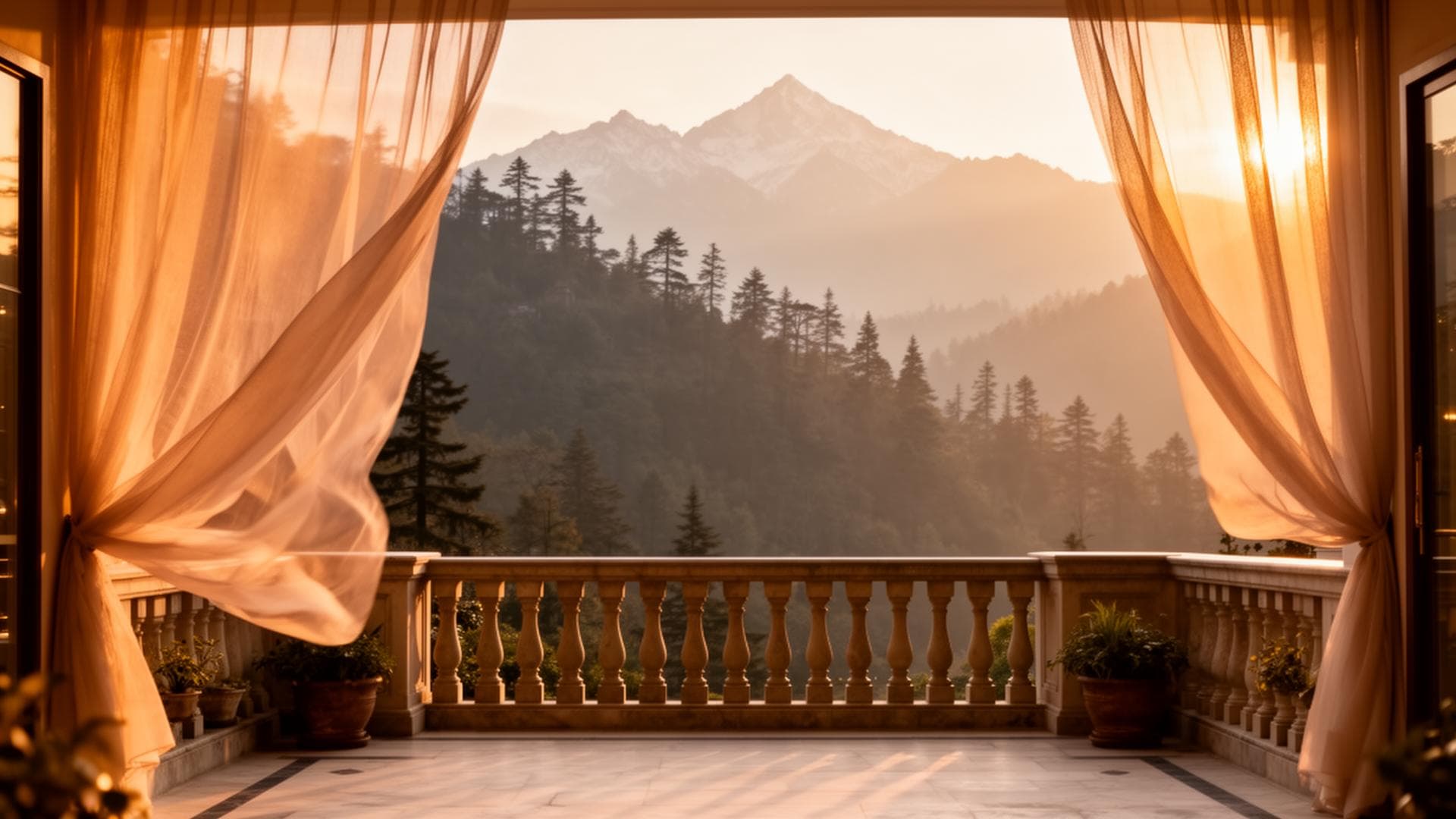
What is the history of Bhurban Pakistan?
Bhurban's history as a settlement dates to the British colonial period — the hill station development of the 1840s-1870s that established the cedar forest estates, the approach roads, and the property demarcations that still define Bhurban's layout. The village of Bhurban itself is a pre-colonial Pahari settlement (Mohra Iswal, where Himalaya Villas sits, is the historic village name). The deodar cedar trees on the Himalaya Villas estate were established in the mid-to-late 1800s — placing the oldest estate trees at 150-180 years. The PC Hotel Bhurban was constructed in 1985.
Bhurban's modern character — the cedar estates, the golf course, the premium accommodation — is a layering of three historical periods: the pre-colonial Pahari village (Mohra Iswal and surrounding hamlets), the British colonial hill station development (1840s-1880s, which established the cedar plantation estates and the approach infrastructure), and the post-Partition Pakistan development (1947-present, which produced the PC Hotel, the N-75 Expressway, and the current residential and resort character).
The Three Historical Periods
Period 1: The Pre-Colonial Pahari Village
Mohra Iswal — the specific hamlet where Himalaya Villas sits — is a pre-colonial Pahari settlement. The Pahari people of the Murree hills are the indigenous community of the sub-Himalayan ridge, whose agricultural and forested landscapes pre-date the British arrival. The name 'Bhurban' itself is of Pahari origin — the village name that the British adopted as the hill station name.
Period 2: British Colonial Hill Station (1840s-1880s)
The British hill station development of the Murree hills began in 1851 — Murree was established as the summer headquarters of the Punjab government. Bhurban, 11km southeast of Murree, developed as a quieter residential extension of the hill station — the cedar forest estates, the bungalows of the colonial administrative class, and the golf course (later to become Chinar Golf Club) all have roots in this period. The deodar cedar plantation of the Himalaya Villas estate dates to this era — the trees deliberately planted as estate boundaries and ornamental woodland by colonial-era residents.
The British chose the Murree hills for a specific reason: the deodar cedar forest at 6,500-8,000 feet produced the specific temperate environment that the colonial administration sought to replicate as a refuge from the Punjab plains heat. The cedar trees were not incidental — they were the reason the hill station existed where it did.
Period 3: Post-Partition Pakistan Development (1947-present)
After Partition, the Murree hills and Bhurban transitioned from a colonial administrative hill station to Pakistan's premier domestic tourism destination. Key post-Partition developments: the PC Hotel Bhurban (1985, Hashoo Group) transformed Bhurban into a premium destination; the N-75 Expressway (late 1990s) reduced the Islamabad-Bhurban journey to 45 minutes; and the private villa estate development (of which Himalaya Villas is the most significant example) brought the exclusive cedar estate model to the domestic premium market.
The Himalaya Villas Estate in Historical Context
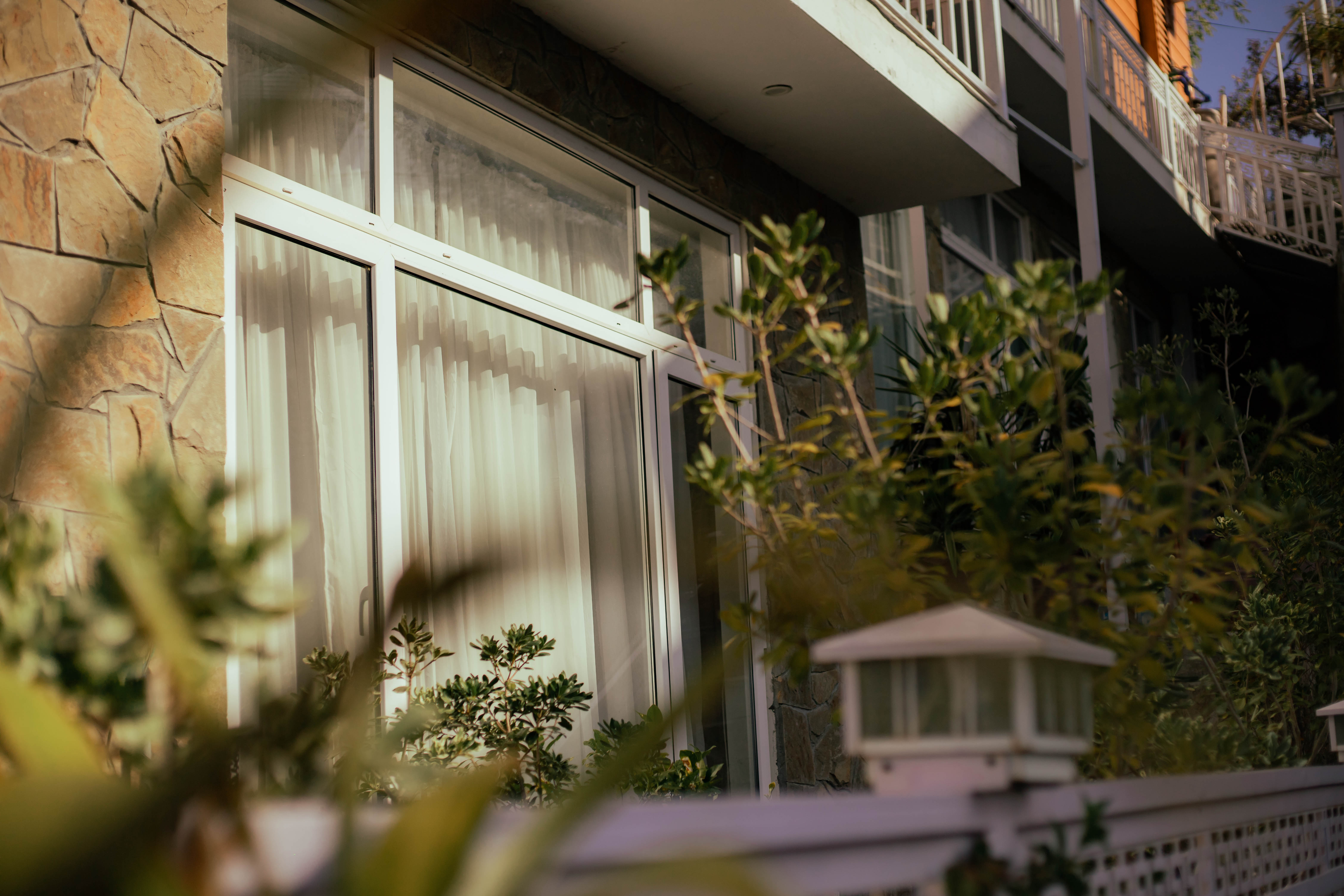
The Himalaya Villas cedar estate occupies a portion of the Bhurban ridge that was historically developed as a colonial-era residential estate — the mature cedar trees (100-200 years old) are the living heritage of that 1850s-1880s plantation period. The estate represents the continuity between the British-era cedar planting and the contemporary private villa estate: the same trees, the same ridge, the same cedar forest atmosphere — now serving an independent Pakistan's domestic HNW market rather than the colonial administration.
Frequently Asked Questions
When was Bhurban Pakistan founded?
Bhurban as a settlement (Mohra Iswal and surrounding Pahari villages) predates the British period. Bhurban as a colonial hill station development dates to the 1851-1880 period of British Punjab hill station expansion. The PC Hotel Bhurban was constructed in 1985.
Is Bhurban in the Murree hills?
Yes — Bhurban is part of the Murree hills ridge system, located 11km southeast of Murree Mall Road at an elevation of 6,800 feet. It is administratively in Punjab province (Rawalpindi Division), 47km from Islamabad.
Book the Heritage Cedar Estate
WhatsApp +92 304 567 9000
Direct bookings receive the best available rate.
WhatsApp: +92 304 567 9000Direct bookings receive priority response and best available rate.