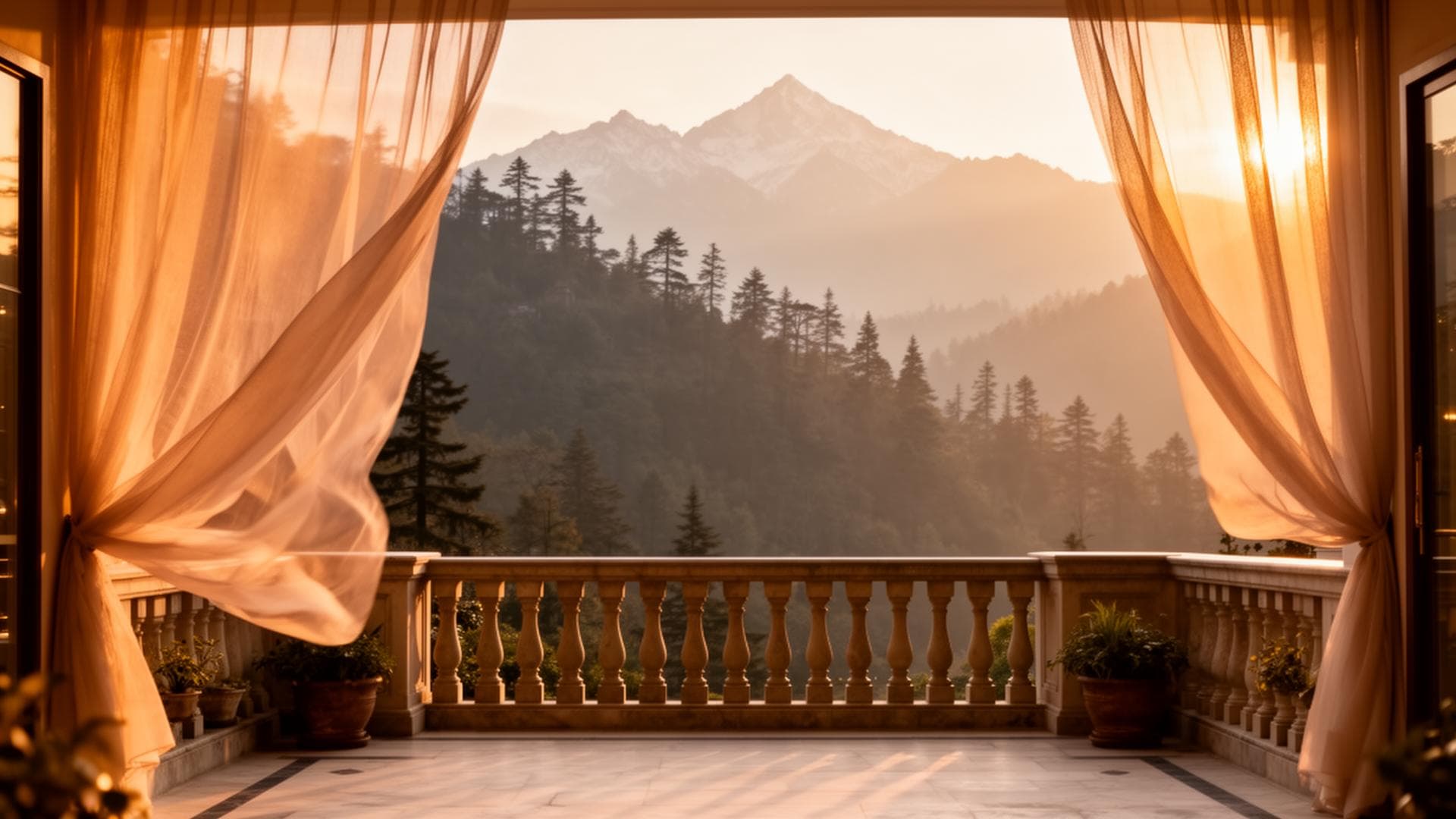
How is the private estate model more sustainable than traditional hotel tourism in the Murree hills?
The private estate model has lower guest density (12 villas accommodate 30-80 guests on the same footprint where a hotel might host 150-300), no shared facility overhead (the kitchen prepares only what is requested, outdoor spaces require no mechanical management), forest preservation incentive (the estate's commercial value depends entirely on the surrounding forest), and lower traffic generation (30-80 guests generate 15-40 vehicles vs 60-100 for a 150-room hotel). The sustainability claim is comparative rather than absolute — the private estate is less environmentally impactful per guest than a comparable hotel, not zero impact.
Pakistan Green Hospitality — The Private Estate Model and Sustainable Mountain Tourism
Pakistan's sustainable tourism conversation has focused primarily on the north: the fragility of the Karakoram ecosystem, the waste management challenges of the Fairy Meadows and Nanga Parbat base camps, the carbon cost of international travel to the country's most remote destinations. The Murree hills — accessible, high-volume, and under significant development pressure — have received less attention in the sustainability conversation despite being the most visited domestic mountain area in the country.
The private estate model that Himalaya Villas & Resorts represents offers a specific sustainability argument that the hotel model does not: lower per-guest environmental impact through structural features of the accommodation model itself.
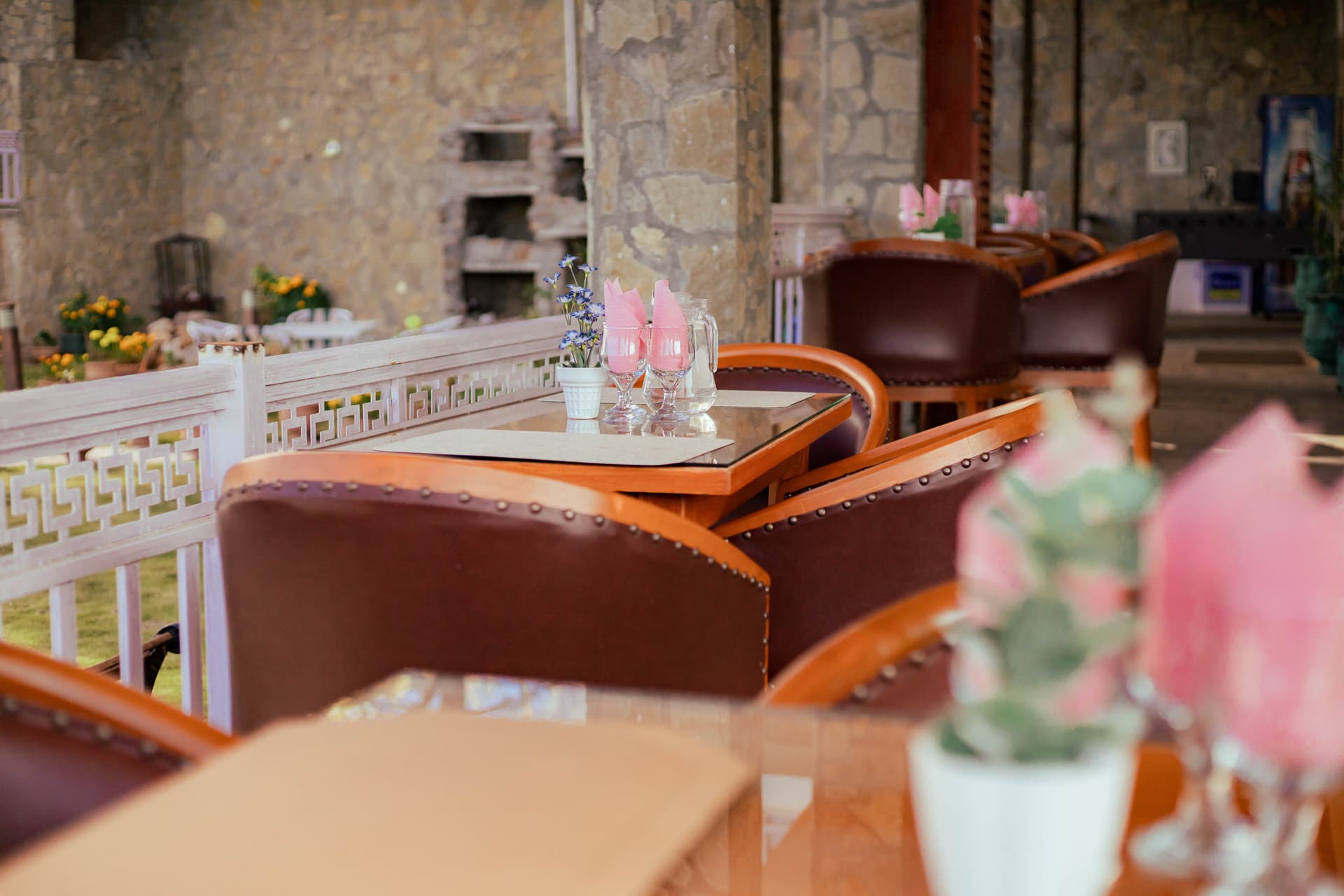
The Structural Sustainability Advantages of the Private Estate
The Limitations
The private estate model is not without environmental footprint: the in-villa heating in winter uses energy, the kitchen generates waste, the guest vehicles drive the same roads. The sustainability claim is comparative rather than absolute — the private estate is less environmentally impactful per guest than a comparable hotel, not zero impact.
The more significant sustainability argument is the forest preservation incentive: a thriving private estate tourism sector in the Bhurban hills creates the economic case for maintaining the forest that the hotels, guesthouses, and residential development that would otherwise fill the same land do not.
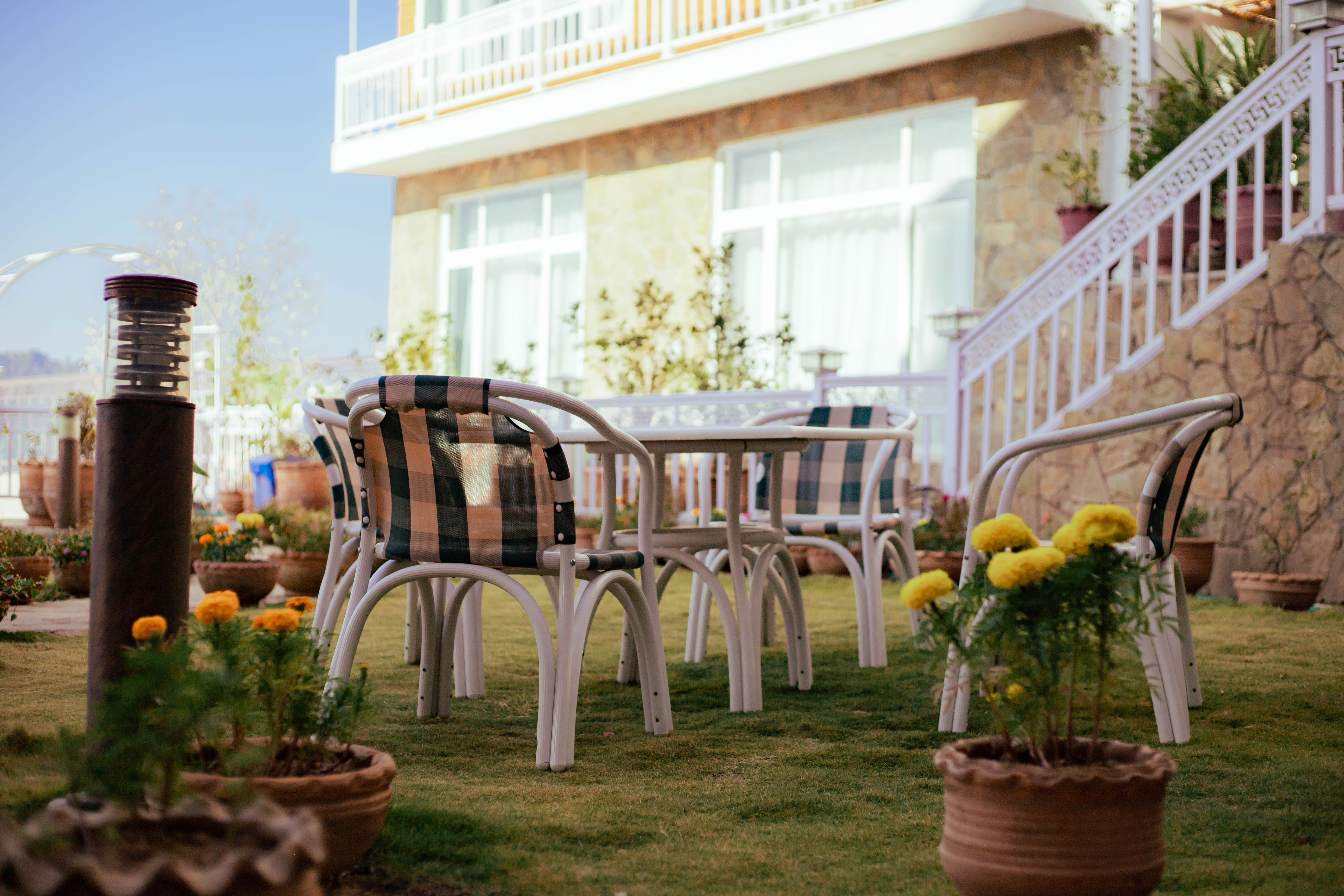
Himalaya Villas & Resorts — Private Cedar Estate, Structurally Aligned with Forest Preservation
Experience sustainable mountain travel.
Book your eco-conscious stay.
Visit himalayavillas.comWhatsApp: +92 304 567 9000