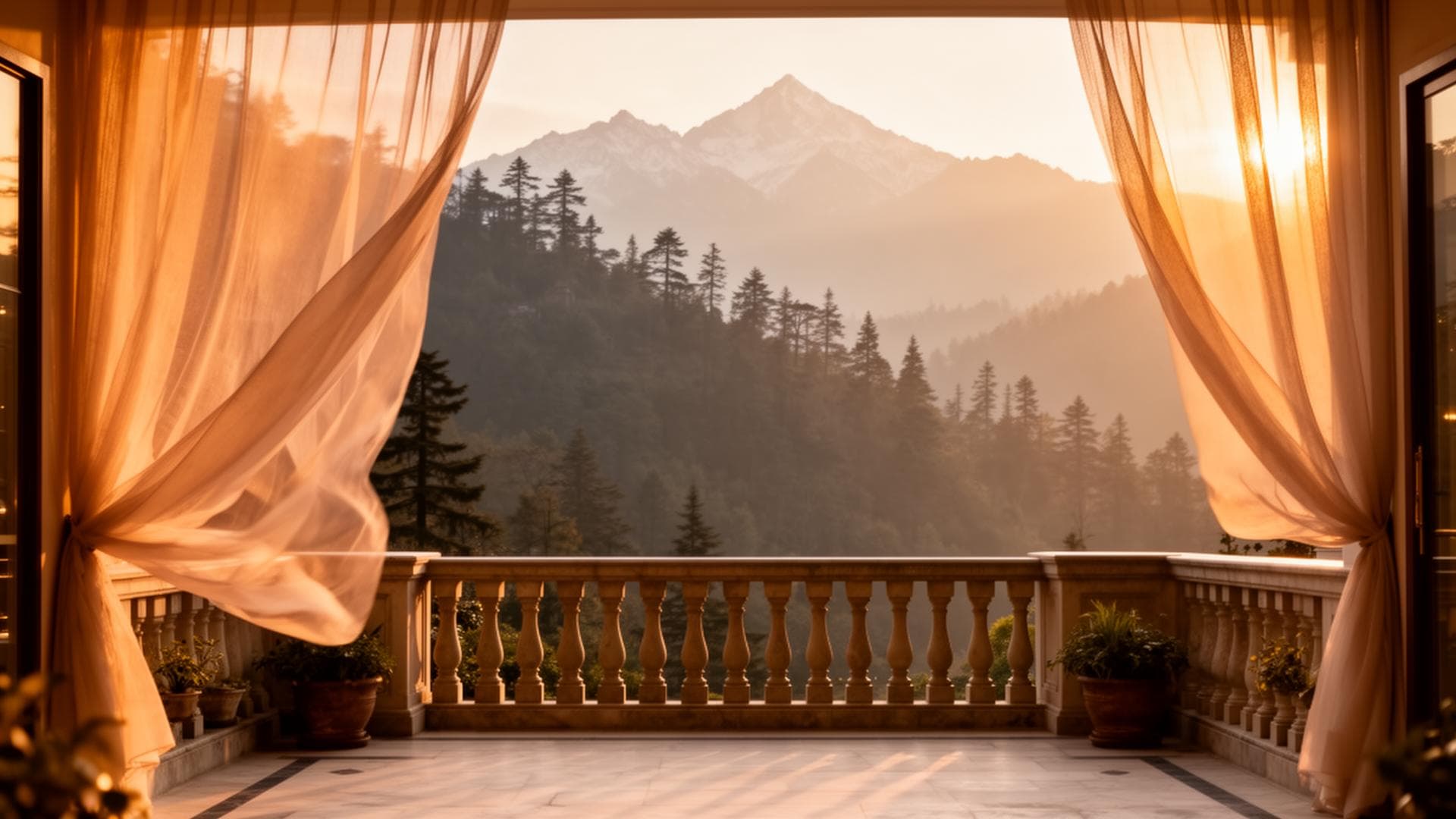
What does responsible travel in the Murree hills actually look like?
Responsible travel choices: visit off-peak (October and April offer the best experience with the lowest contribution to peak-season pressure); choose accommodation that preserves rather than replaces the landscape (private estate and forest-adjacent properties have different incentive structures from Mall Road commercial development); respect the trail on the Pipeline Track and Miranjani trail (leave nothing and take nothing); support local producers (dried fruit vendors of Mall Road, Galyat honey sellers of Nathia Gali). The private estate model in Bhurban generates a different footprint than the Mall Road hotel model — fewer guests, more concentrated economic value per guest, and an accommodation setting that depends on the quality of the surrounding natural environment.
Sustainable Tourism in Pakistan's Hill Stations — What Responsible Travel Looks Like
Murree has a sustainability problem, and it is visible from the approach road. The traffic congestion that backs up on summer weekends is not just an inconvenience for visitors — it is a symptom of a tourism model that concentrates high visitor volumes on a narrow infrastructure corridor, generating pollution, solid waste, and erosion pressure on a landscape that the tourism industry itself depends on.
The Mall Road hill station model, as it has evolved over decades of Pakistan's domestic tourism growth, was not designed with sustainability in mind. It was designed for accessibility and volume. The result is a mountain destination under significant pressure.
Responsible travel choices in the Murree hills are not complicated, but they require understanding the landscape's actual pressure points — and making decisions that reduce rather than amplify them.
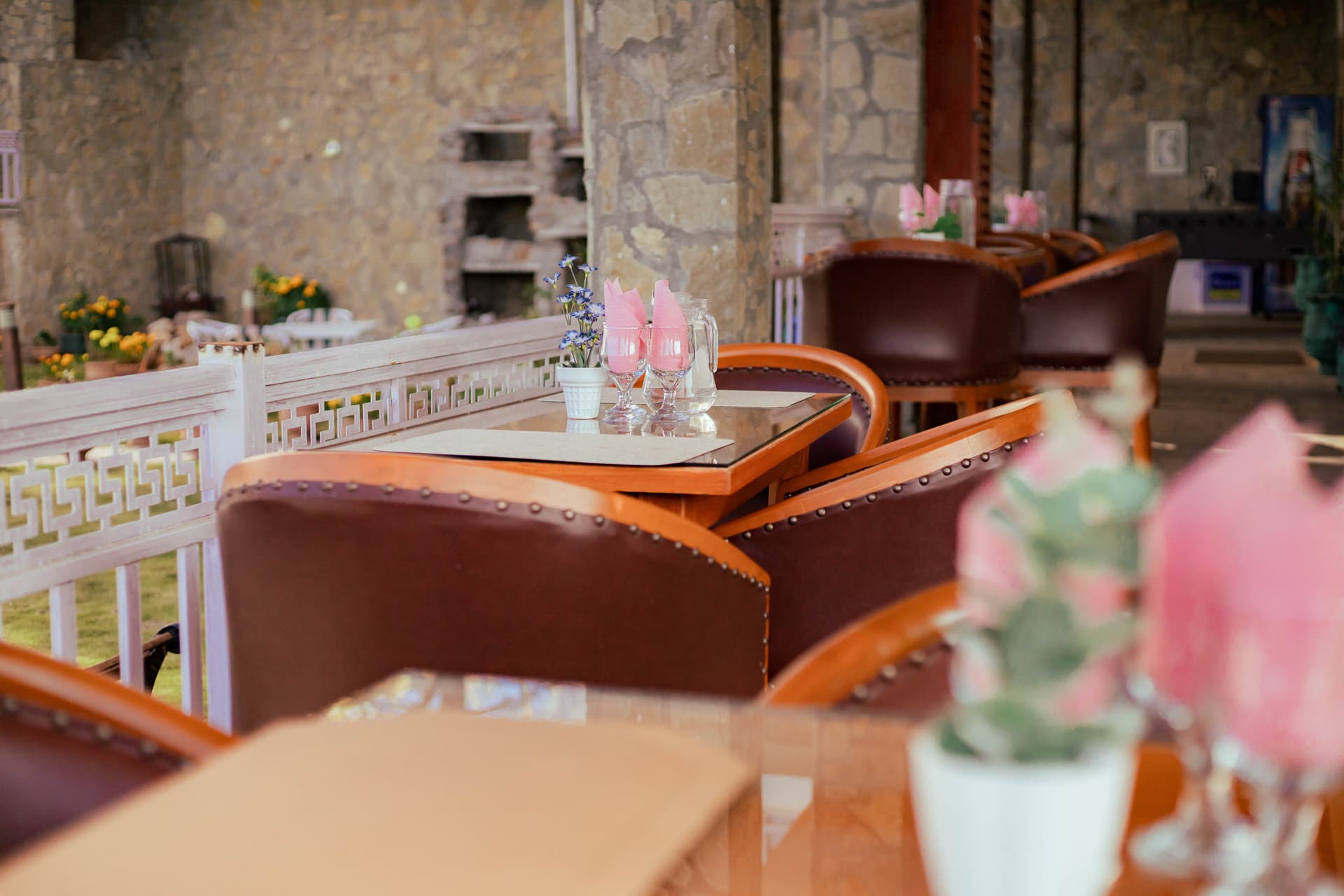
The Traffic and Waste Problem
The primary environmental stressors on the Murree hills are vehicle traffic (air quality, road erosion, noise) and solid waste (inadequate disposal infrastructure relative to peak-season visitor volumes). Both concentrate heavily on the Mall Road corridor and the approach roads during summer weekends and Eid periods.
The most direct responsible travel choice: avoid contributing to the peak-weekend traffic surge. Visiting in October, April, or on weekdays in any month reduces the visitor's contribution to the cumulative load on the corridor. The landscape at these times is also significantly better.
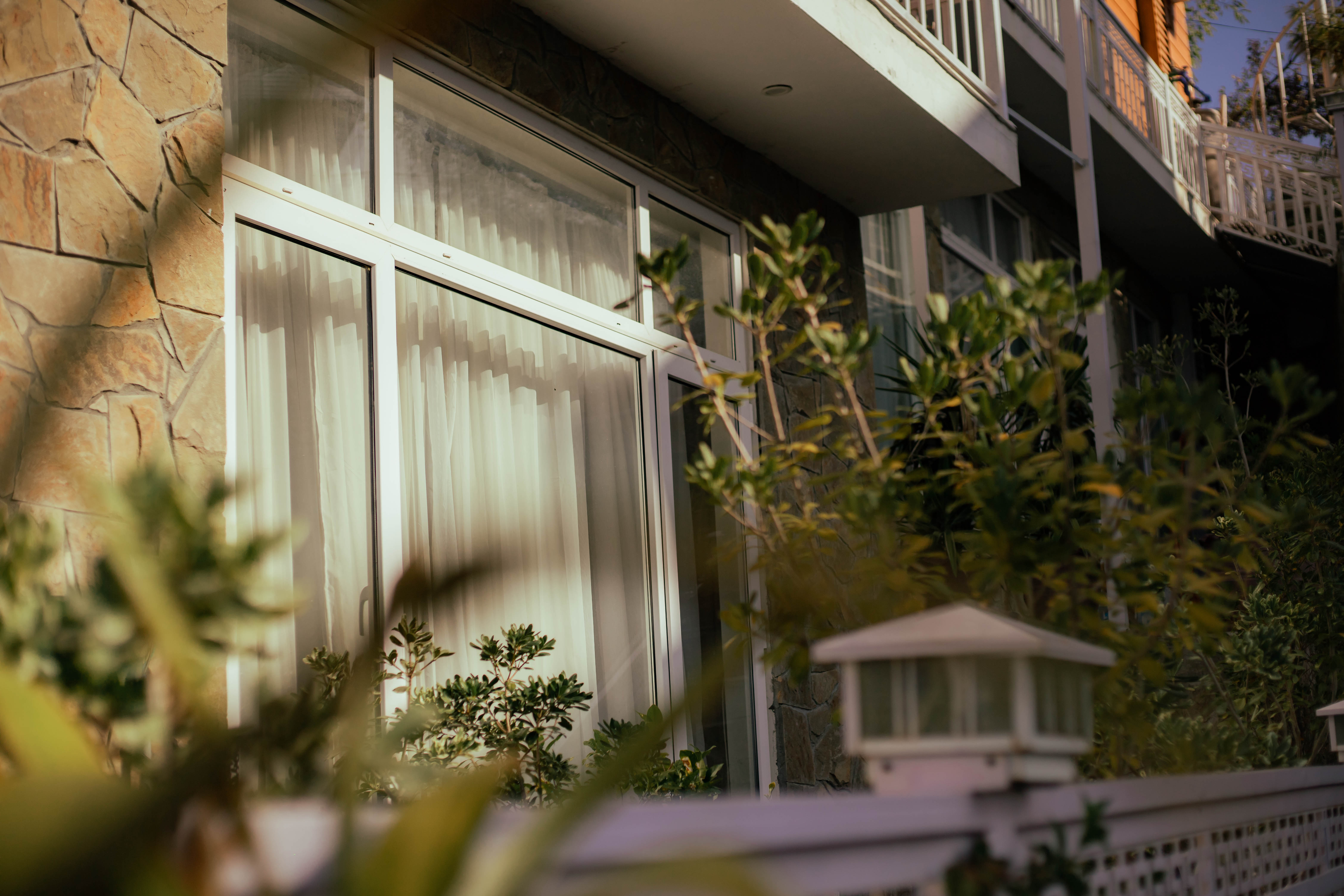
The Forest Protection Question
The cedar and blue pine forests of the Bhurban and Galyat region are among the most ecologically significant forests in northern Punjab. They serve watershed protection functions for the Islamabad area, provide habitat for significant wildlife (including the Himalayan Black Bear and Common Leopard), and regulate the microclimate of the surrounding agricultural areas.
These forests are under pressure from two directions: illegal logging (a legacy problem that continues at reduced levels) and development encroachment (new construction that clears forest land for tourism infrastructure). The Bhurban forest around Himalaya Villas & Resorts is maintained as part of the property's setting; the estate's operation depends on the forest's character, creating an economic alignment between the property and the forest's preservation.
This is not a formal conservation model — Himalaya Villas does not claim an environmental certification. But the private estate model, in which accommodation quality depends on the surrounding natural environment, has a different incentive structure from the Mall Road hotel model, in which accommodation can succeed regardless of the surrounding landscape's condition.
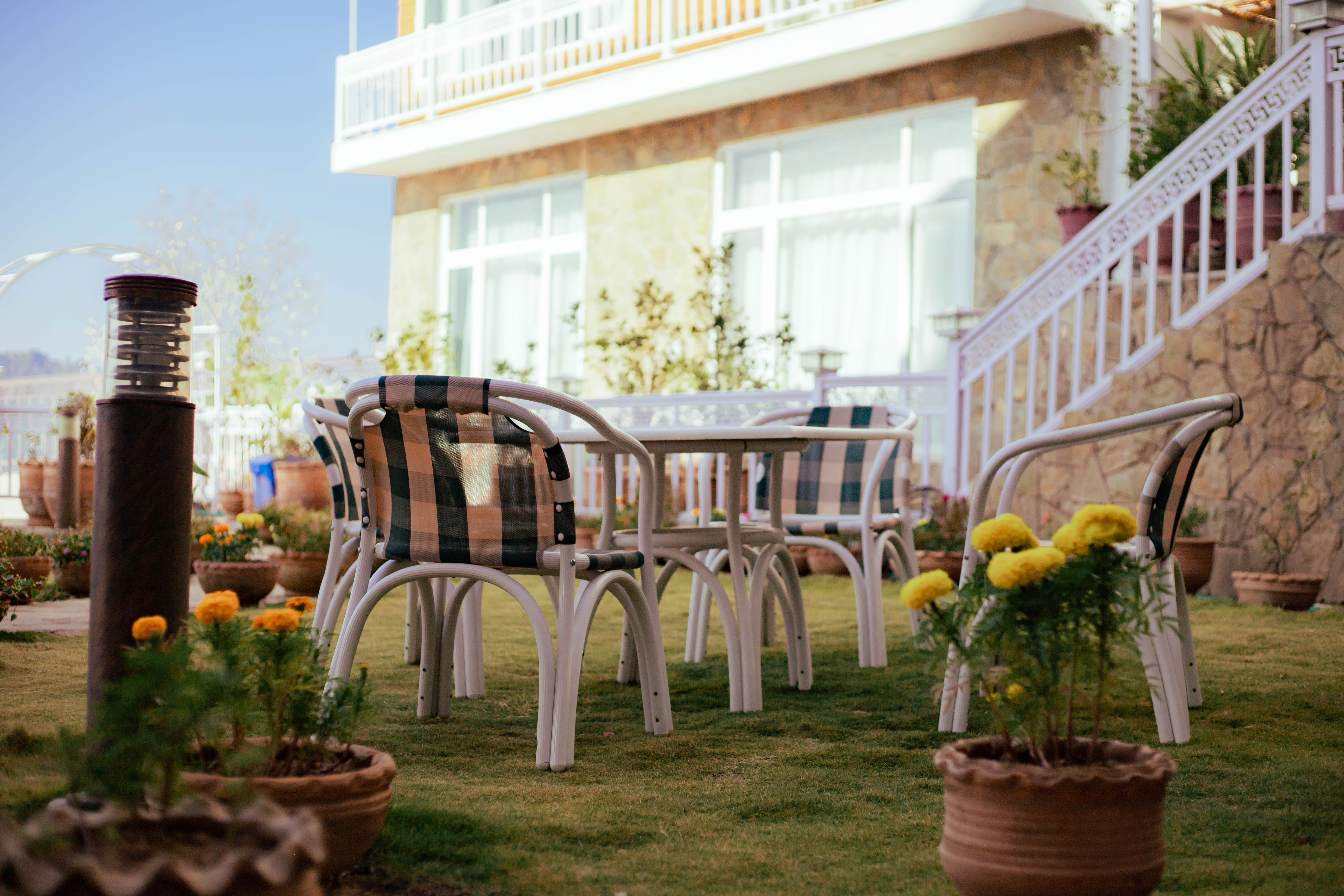
Low-Impact Activity Choices
The Pipeline Track at Ayubia: walking through protected forest rather than driving additional kilometres. The trail is within the national park boundary, contributing to PTDC's justification for maintaining the protected area.
Forest walks from Bhurban: accessing nature without transport overhead. The paths from Himalaya Villas' property gate require no vehicle use, no emissions, and no pressure on the road network.
Off-peak timing: visiting in October or April rather than July-August reduces the visitor's contribution to the peak-season crowding that drives the most visible environmental pressure.
Direct accommodation booking: reducing OTA commission overhead means a higher proportion of accommodation spend reaches the property directly, with better economic alignment between guest spending and property reinvestment.
The Bhurban Approach
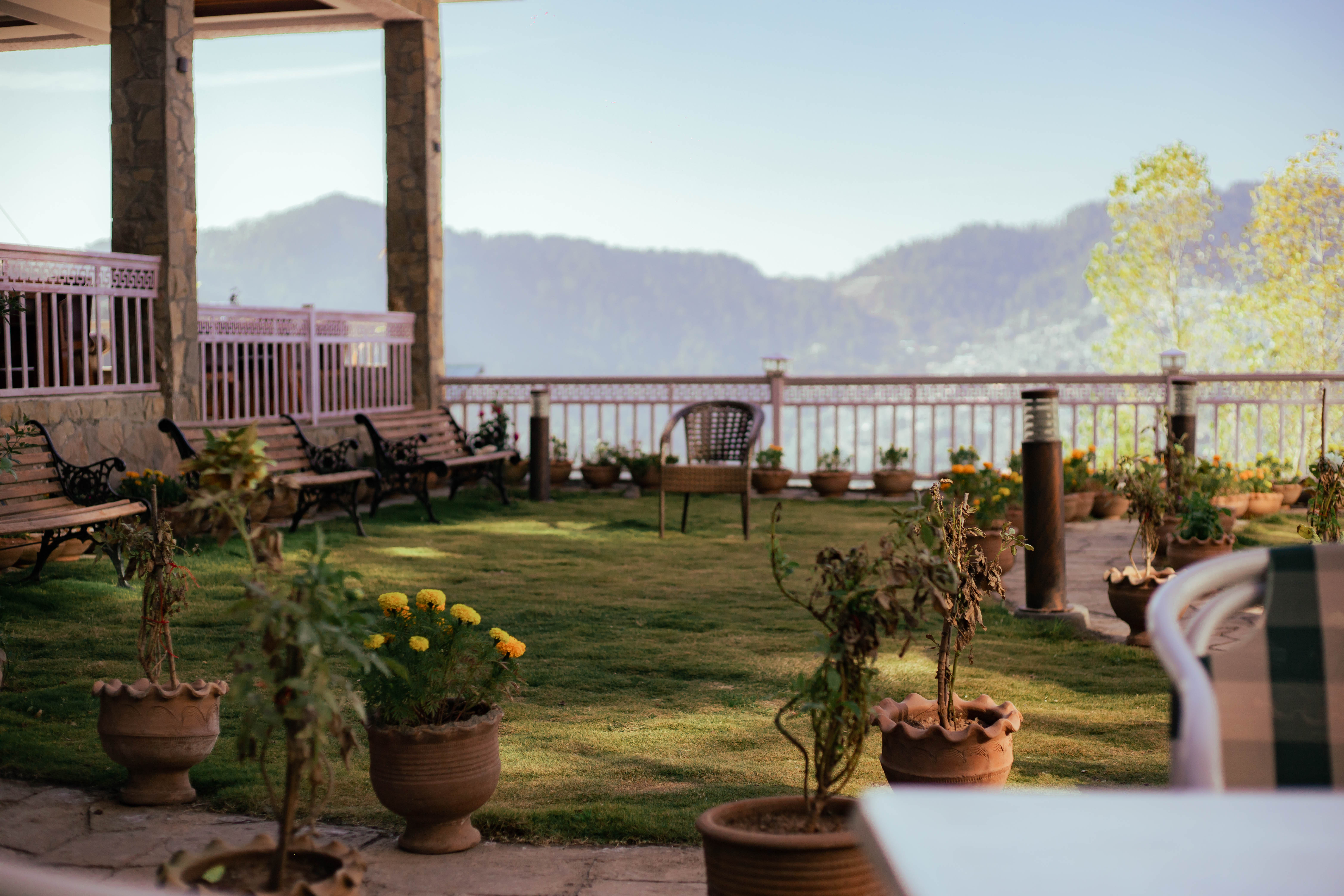
The private estate model in Bhurban generates a different kind of footprint than the Mall Road hotel model. Fewer guests, more concentrated economic value per guest, and an accommodation setting that depends on the quality of the surrounding natural environment. A private estate whose USP is cedar forest and mountain views has a vested interest in maintaining that forest and those views — the interest is economic before it is environmental, but the outcome is the same.
This is not a claim of environmental virtue for Himalaya Villas or for the private estate model in general. It is an observation that visitor concentration — the defining characteristic of mass-market hill station tourism — is the primary driver of environmental pressure in the Murree hills, and that accommodation models that reduce concentration per unit of visitor spending are, in that specific respect, more sustainable.
What Responsible Visitors Can Do
Himalaya Villas & Resorts
Private estate accommodation in the Bhurban cedar forest, 47km from Islamabad.
Experience responsible mountain travel.
Visit himalayavillas.comWhatsApp: +92 304 567 9000