What is the history of Murree hill station?
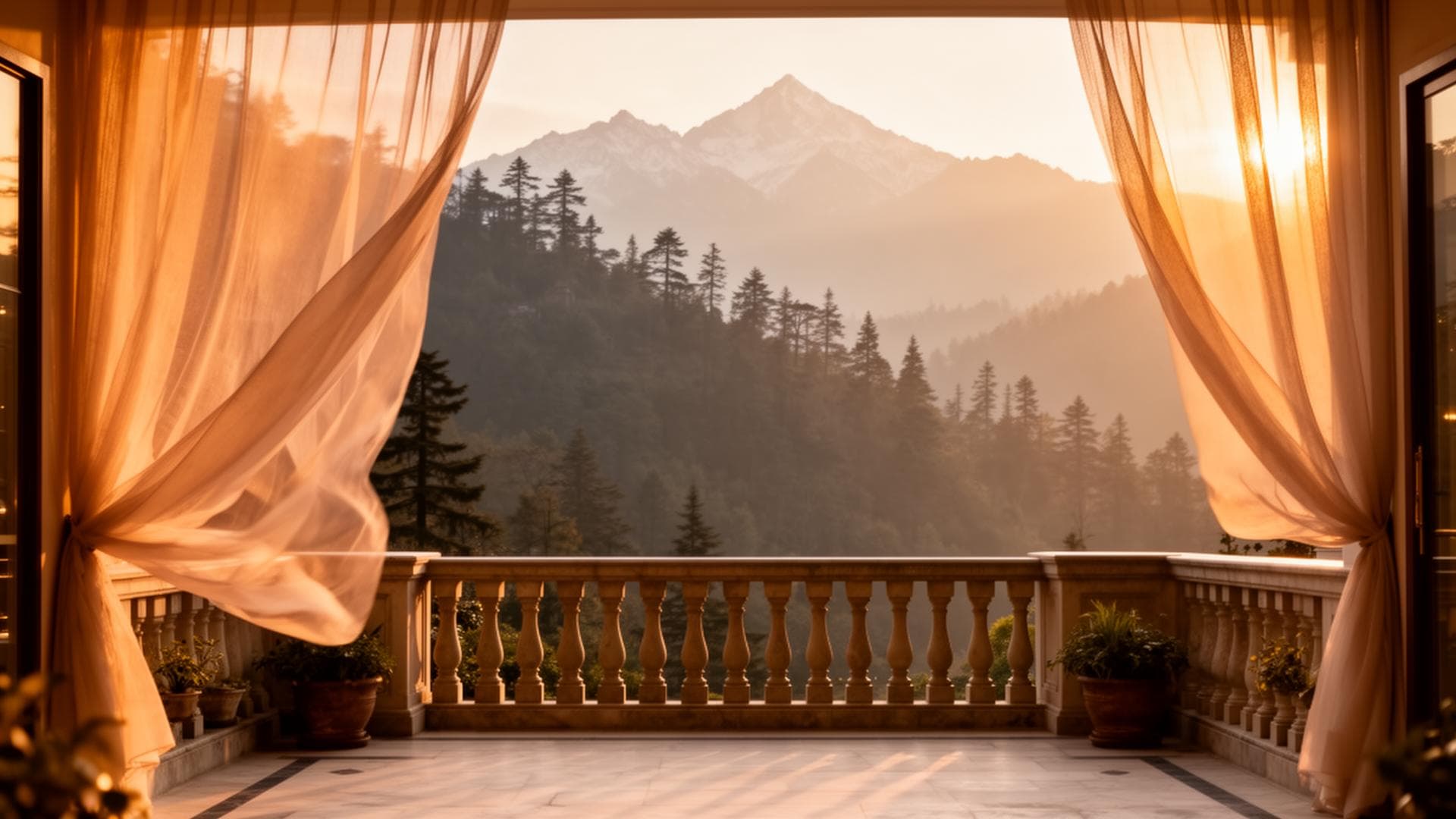
Murree hill station was established in 1851 by the British East India Company as a sanatorium and rest station for troops stationed on the Punjab plain. The elevation (7,500 feet), the sub-Himalayan climate (summer temperatures 15-25°C when Rawalpindi reached 40°C+), and the accessible ridge location made Murree the natural choice for the first Punjab hill station. The colonial infrastructure — the Mall Road, the Lawrence College in Ghora Gali, the All Saints' Church, the Cecil Hotel, and the cedar-lined approach roads — formed in the 1850s-1870s and much of it survives. Post-1947, Murree became Pakistan's premier domestic hill station.
Understanding Murree's History — Adding Dimension to Your Visit
Understanding Murree's history adds a specific dimension to the modern hill station visit. The Mall Road bazaar that draws millions today occupies the same physical space as the Victorian sanatorium; the cedar trees that line the Bhurban ridge were planted in the 1860s-1880s for precisely the same reason they are prized today.
The British Establishment — 1851-1947
The British choice of Murree in 1851 was driven by three factors: the elevation adequate to reduce heat (15-20°C cooler than Rawalpindi's summer peak), the proximity to the Punjab administrative centre (accessible in a manageable journey from Rawalpindi and the Grand Trunk Road), and the forest cover providing the specific environment considered healthful by Victorian medical theory. The deodar cedar forest — Pakistan's national tree — was the specific landscape characteristic that satisfied the Victorian requirement for 'healthy' hill station conditions.
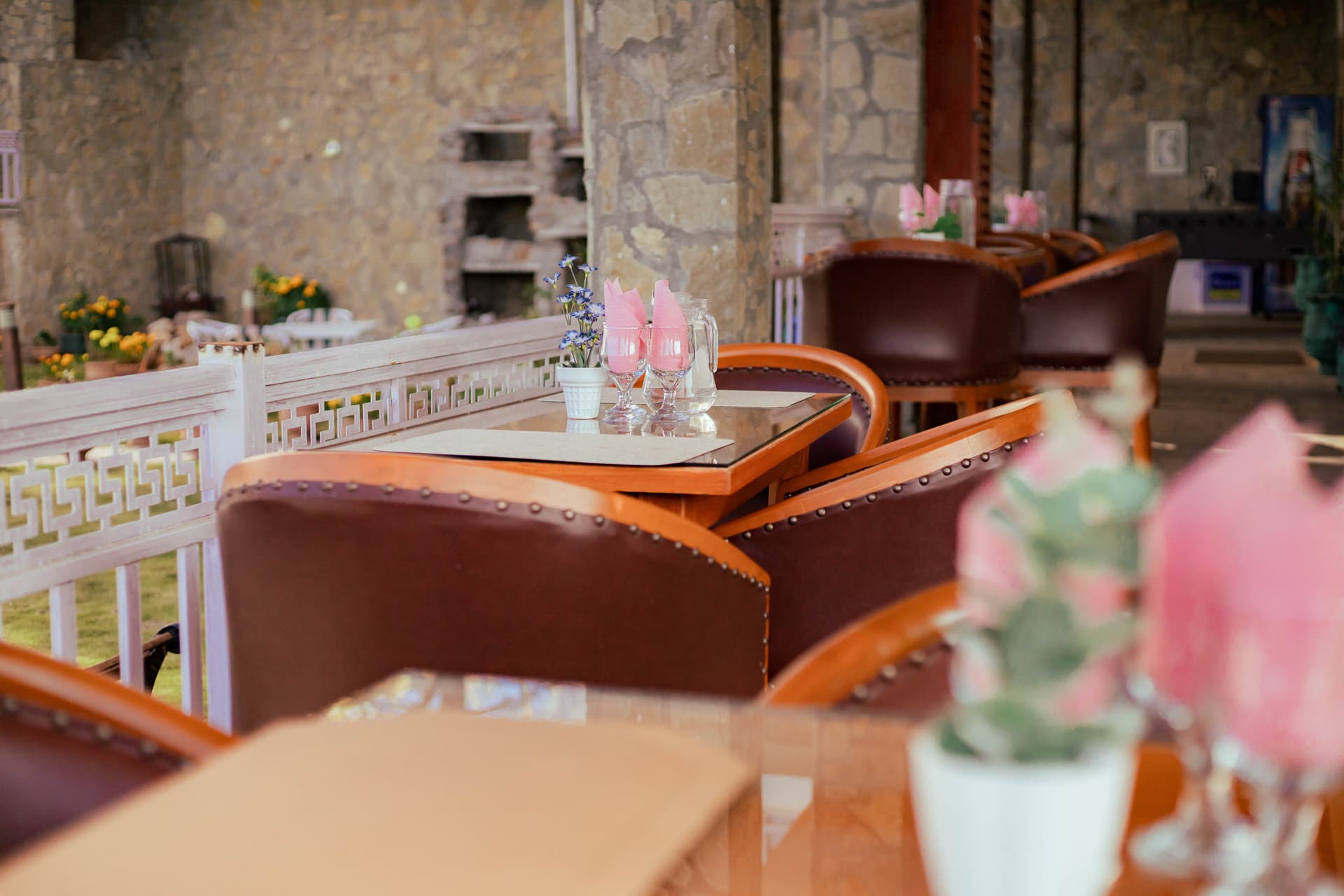
The British infrastructure in the Murree hills area: the Mall Road and its commercial strip (originally the British military cantonment's main street, the church, the post office, the club); Lawrence College Ghora Gali (1860, the prestigious hill station school that continues operating); All Saints' Church Murree (1857, still standing and in use); Cecil Hotel (the original hill station grand hotel); and the cedar-lined approach roads to Bhurban and the Galyat that define the landscape experience today. The colonial-era planting of additional deodar cedar along the ridge roads augmented the natural forest.
Post-1947 — The Transformation
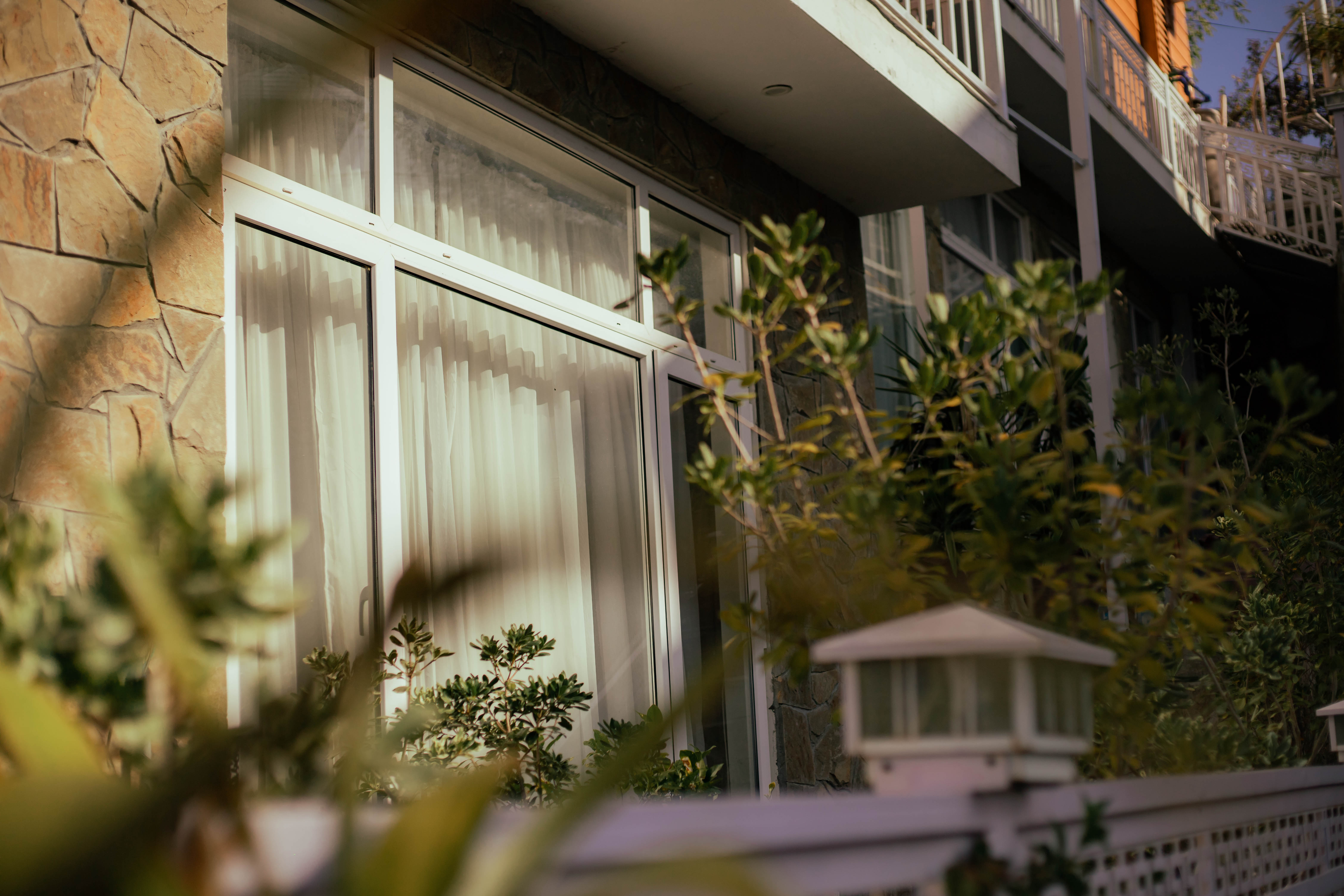
After Partition in 1947, Murree transitioned from a British colonial sanatorium to Pakistan's premier domestic hill station with remarkable speed. The infrastructure had been designed for a specific purpose — escape from Punjabi summer heat — that was equally relevant to the new Pakistani administrative class in Rawalpindi and Lahore.
The PC Hotel Bhurban (Pearl Continental) was established in the 1960s-70s, marking the beginning of the premium accommodation era. The Murree Expressway construction dramatically reduced the Islamabad-Murree journey time, unlocking the mass tourism market. By the 2000s-2010s, the weekend visitor numbers reached millions annually in July-August.
The Cedar Estate in Historical Context
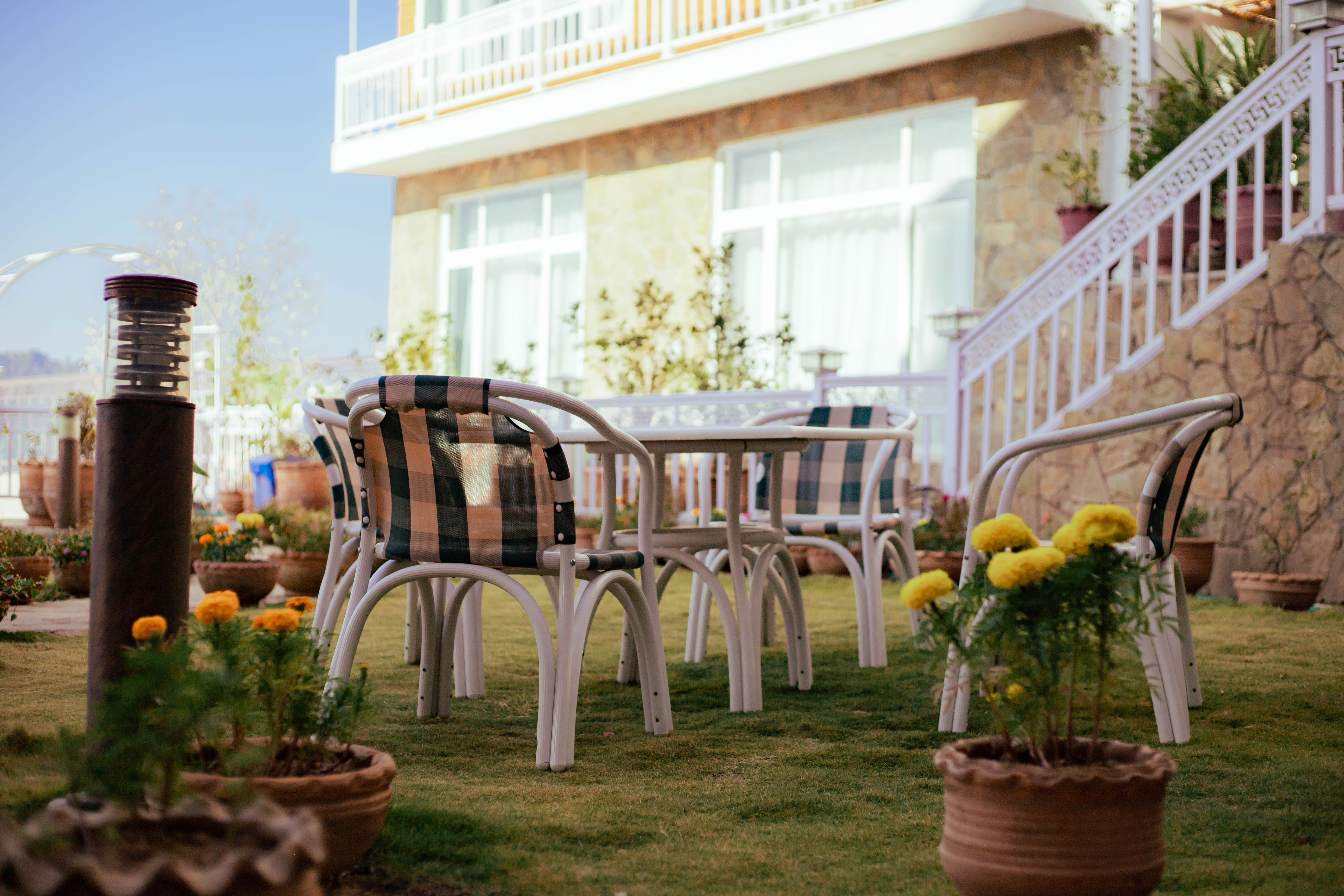
Himalaya Villas & Resorts occupies mature deodar cedar forest on the Bhurban ridge — trees that were growing when the British were establishing the hill station. The 100-200 year old cedar trunks on the estate are part of the same forest that made Murree the British choice in 1851. The 'cedar forest experience' that Himalaya Villas markets is therefore not a manufactured amenity — it is the continuation of a 170-year relationship between the Bhurban ridge and the specific human need for a forest retreat above the Punjab plain heat.
Frequently Asked Questions
Is Lawrence College Ghora Gali still operating?
Yes — Lawrence College Ghora Gali (established 1860) continues to operate as one of Pakistan's most prestigious boarding schools, located in Ghora Gali on the Galyat road 12km from Bhurban. The college's colonial-era buildings and grounds are visible from the road.
Where is the All Saints' Church in Murree?
All Saints' Church, built in 1857, stands on the Murree Mall Road — one of the oldest remaining structures in the hill station. It continues to hold services and is a heritage landmark of the British colonial period.
Stay at the Cedar Estate That History Built
WhatsApp +92 304 567 9000
Book your private villa stay at Himalaya Villas & Resorts.
Book Your StayDirect bookings receive the best available rate.