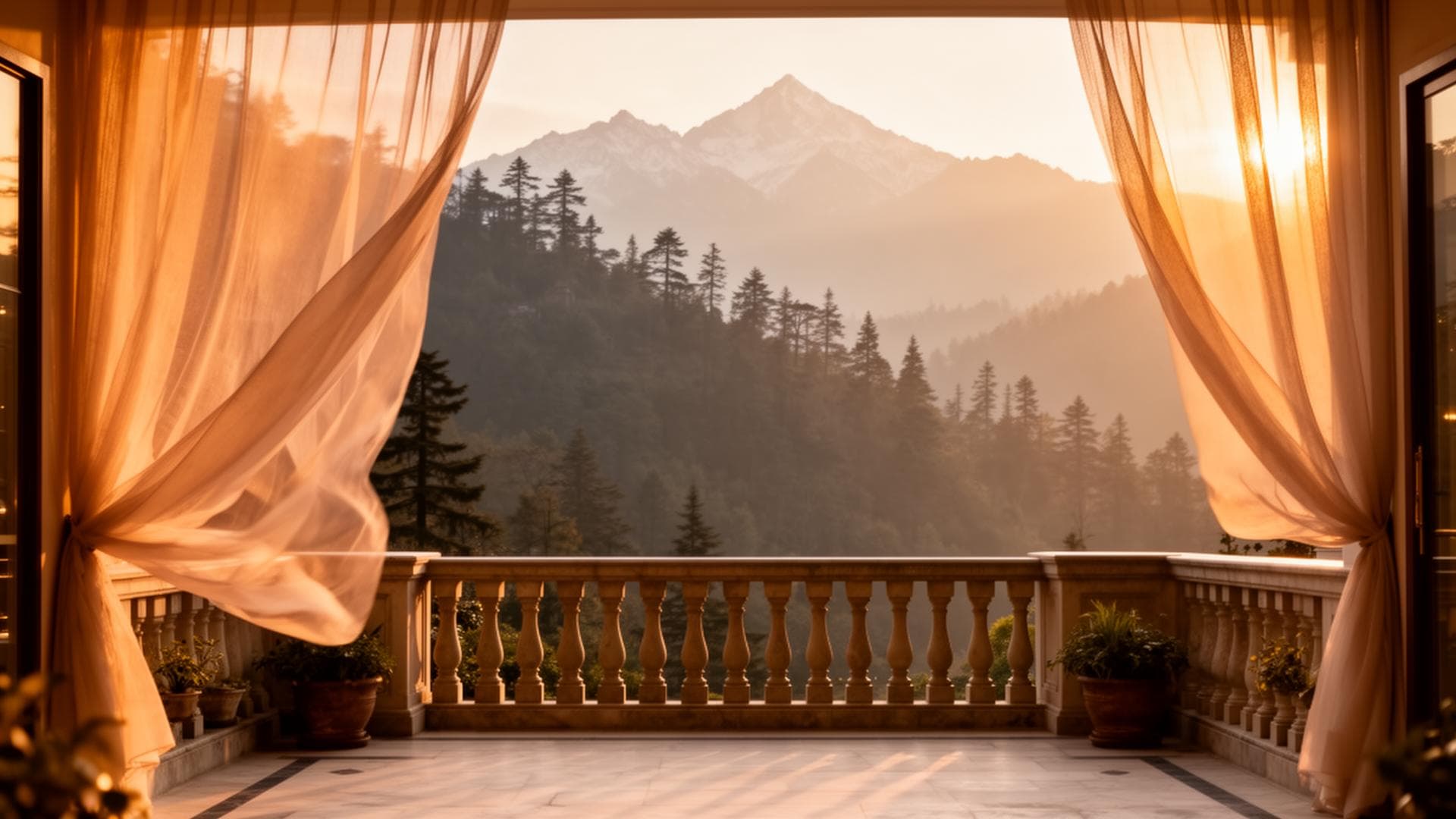
What birds and wildlife can I see at the Bhurban cedar estate?
Bhurban cedar estate bird species: Koklass Pheasant (most audible at dawn — the resonant territorial call from the cedar understorey is the signature sound of the Himalaya Villas dawn walk), Himalayan Griffon Vulture (thermals above the ridge), Kalij Pheasant, Himalayan Monal (the national bird of Nepal — spectacular iridescent plumage, seen on forest edges at dawn), Blue Whistling Thrush, various warblers and flycatchers. Mammals: Rhesus Macaque (forest groups), Barking Deer (dusk-dawn on forest edges), Yellow-throated Marten, porcupine (nocturnal).
The Cedar Forest Wildlife Community
The Bhurban cedar forest supports a specific sub-Himalayan bird and wildlife community that is largely unknown to the millions of visitors who see only the Mall Road and Chairlift. The Himalaya Villas cedar estate — with its mature deodar cedar canopy, forest floor understorey, and limited human disturbance during the estate's quiet hours — is the specific habitat that these species occupy.
The Dawn Bird Call — The Signature Cedar Estate Sound
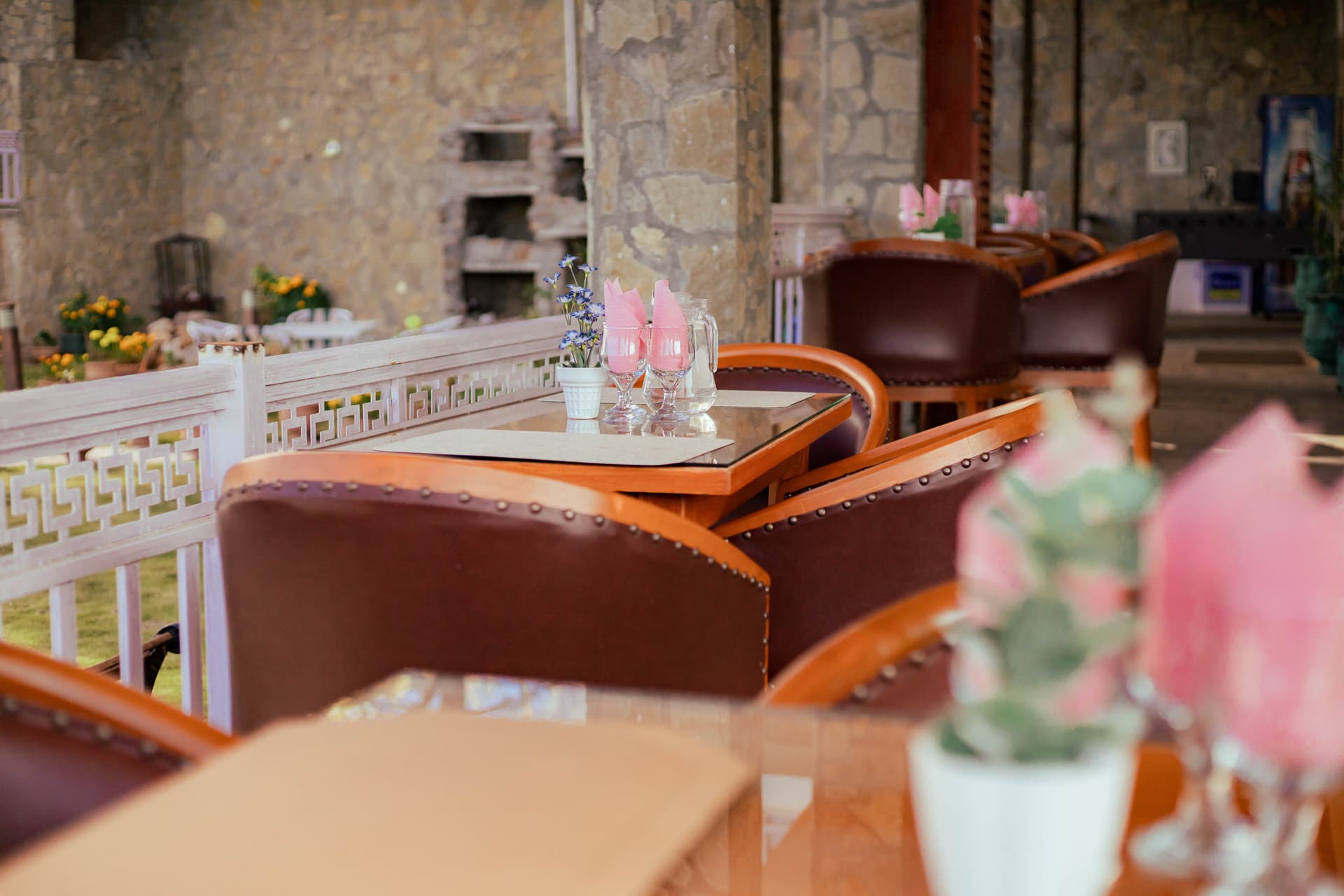
The Koklass Pheasant (Pucrasia macrolopha) produces one of the most distinctive calls in the sub-Himalayan forest: a loud, accelerating territorial call that carries through the cedar canopy at dawn. The call begins at first light — typically 5:30-6:00am — and is the specific sound that Himalaya Villas guests on the cedar dawn walk hear before they see anything. The Koklass call is the sound-memory that most frequently features in guest return-visit narratives.
The Himalayan Monal (Lophophorus impejanus) is the most visually spectacular bird of the Bhurban forest — the male's iridescent plumage (deep metallic green-blue-bronze) catches the dawn light on forest edges at 6-7am. Sightings are not guaranteed but occur regularly for guests who walk the estate paths at dawn.
Bird Species Checklist — The Cedar Estate
| Species | Type | Seasonality | Best Viewing |
|---|---|---|---|
| Koklass Pheasant | Pheasant family | Year-round | Dawn — listen for territorial call from cedar understorey |
| Kalij Pheasant | Pheasant family | Year-round | Dawn walks on forest floor paths |
| Himalayan Monal | Pheasant family | Year-round, commoner in spring | Forest edges at dawn — brief, spectacular |
| Himalayan Griffon Vulture | Raptor | Year-round | Thermals above the ridge from 9am |
| Common Kestrel | Raptor | Year-round | Open areas adjacent to forest |
| Blue Whistling Thrush | Thrush family | Spring/summer | Running water on forest margins |
| Verditer Flycatcher | Flycatcher | Spring/summer | Cedar canopy level — males brilliantly blue |
| Rhesus Macaque | Primate | Year-round | Forest groups — visible from paths |
| Barking Deer (Muntjac) | Deer | Year-round | Forest edges at dusk and dawn |
Wildlife Viewing Tips for Cedar Estate Guests
Frequently Asked Questions
Is the Himalayan Monal hard to see at Bhurban?
The Monal is not common in the cedar estate specifically — it prefers higher-altitude oak-rhododendron forest margins and is more reliably seen on the upper sections of the Ayubia Pipeline Track or above Nathia Gali. At the Bhurban estate it is an occasional visitor rather than a resident species.
Are there leopards in the Bhurban area?
The Common Leopard (Panthera pardus) does exist in the Galyat hill chain — there are confirmed records from the Ayubia National Park area. At the Bhurban estate specifically, a leopard encounter is extremely rare. The species is naturally secretive and avoids human-occupied areas.
Book the Cedar Estate Dawn Wildlife Walk
WhatsApp +92 304 567 9000
Book your private villa stay at Himalaya Villas & Resorts.
Book Your StayDirect bookings receive the best available rate.