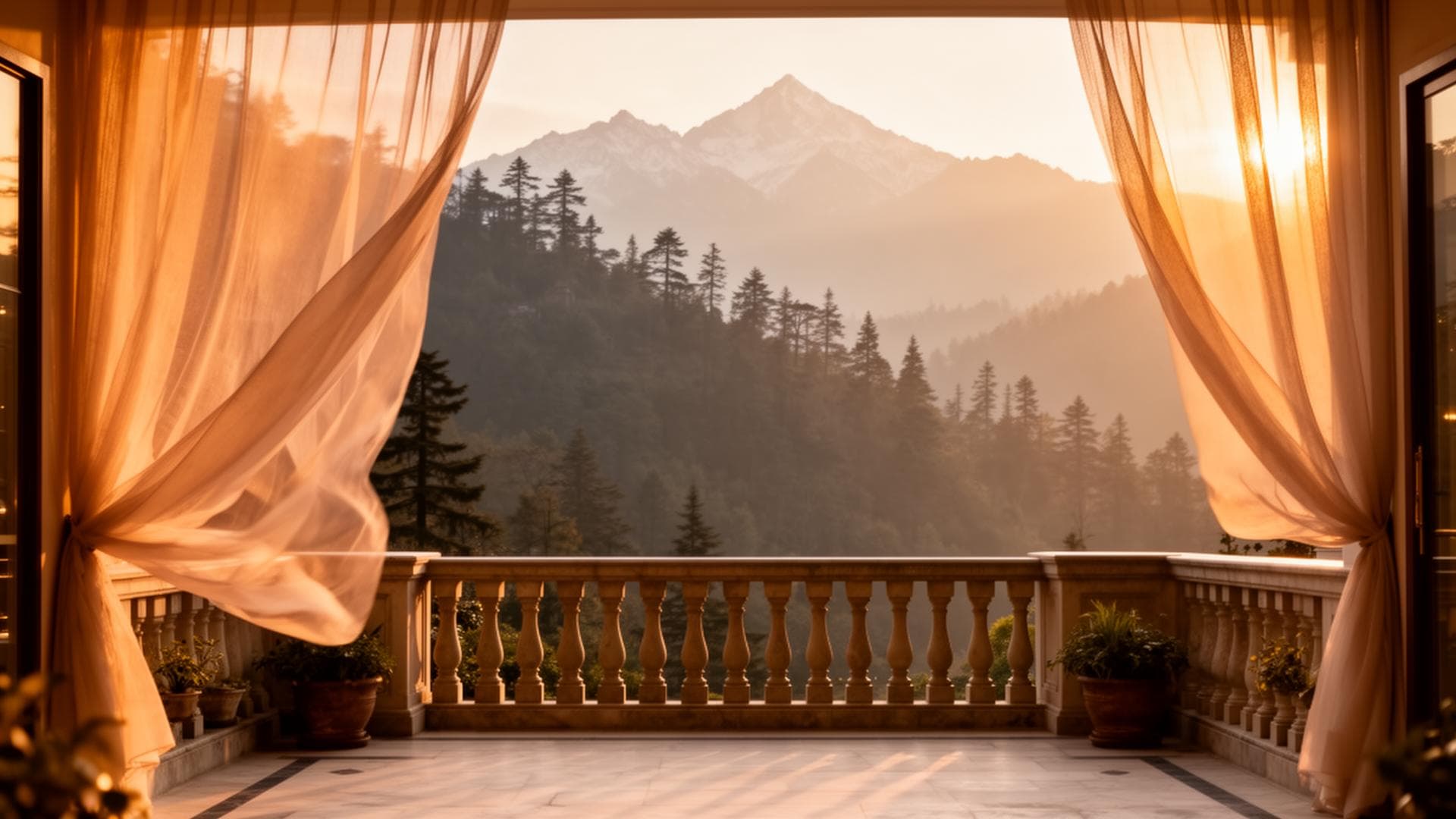
Where is Pakistan's mountain tourism sector headed in the next decade?
Infrastructure: road investment in the Galyat region will reduce drive times further, creating conditions for the private estate model to replicate in new locations (Nathia Gali, Shogran, Kaghan Valley). Demand: Pakistan's HNW consumer market and diaspora will grow, driving more demand for premium exclusive-use mountain accommodation. Supply: the current gap in Nathia Gali, Shogran, and accessible Kaghan Valley will attract investment. Environmental constraint: the balance between tourism growth and forest preservation will be the defining policy question. The private estate model is structurally more aligned with forest preservation than mass hotel development, but 'more aligned' is not perfect.
Pakistan's Mountain Future — What the Next Decade Holds for Bhurban and the Galyat
The best way to understand where Pakistan's mountain tourism sector will be in 2035 is to understand what has changed in the decade leading to 2026. The Murree Expressway was completed in the early 2000s; the HNW domestic consumer market has grown significantly; the diaspora has reengaged with Pakistan travel; social media has made the mountain landscape visible to audiences that guidebooks never reached; and the private villa estate model, demonstrated at Himalaya Villas, has proven that a different accommodation model is commercially viable.
All of these trends have further to run. The next decade will likely accelerate each of them.
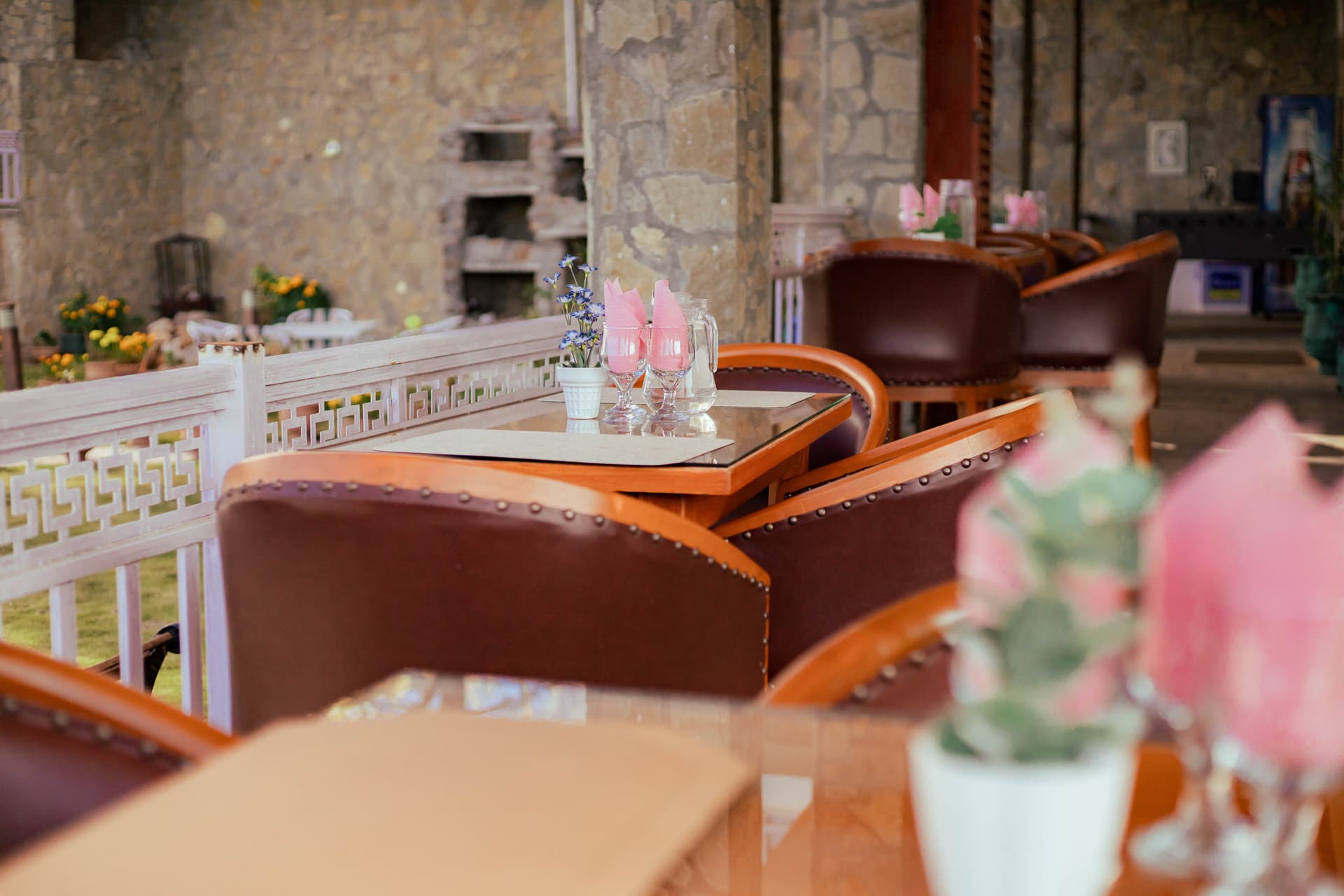
The Infrastructure Trajectory
Road infrastructure investment in the Galyat region — the Kaghan Expressway under various planning stages, the improvement of Galyat roads — will reduce drive times further and open new mountain areas to accessible tourism. The sub-one-hour drive from Islamabad that makes Bhurban work will eventually apply to Nathia Gali, and later to destinations further into the Kaghan Valley.
This infrastructure expansion creates the conditions for the private estate model to replicate in new locations. The developer who builds the Nathia Gali equivalent of Himalaya Villas will be entering a market whose accessibility has already been demonstrated.
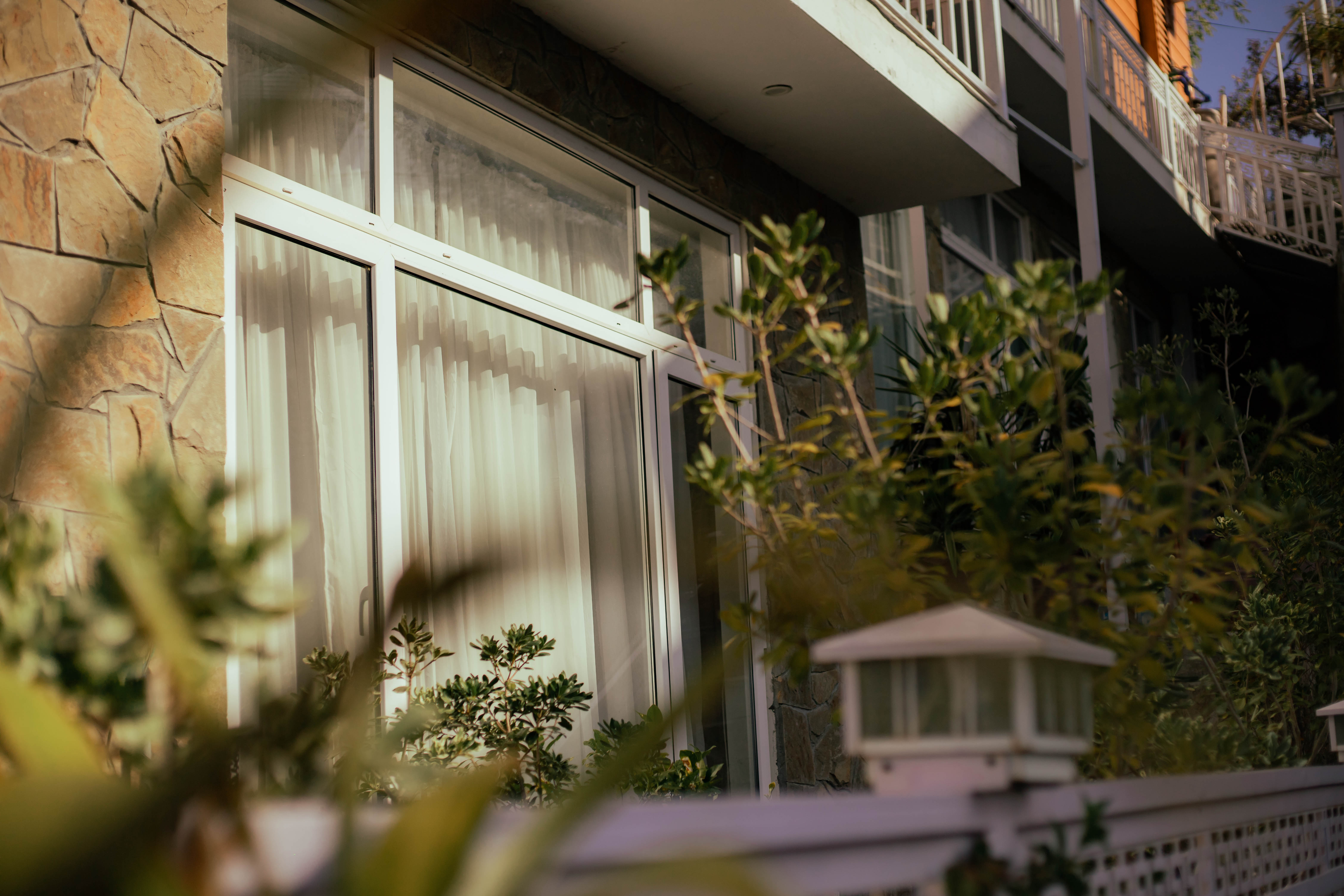
The Demand Trajectory
Pakistan's middle and upper class is growing — the HNW consumer market that drives premium domestic tourism will be larger in 2035 than in 2026. The diaspora, which has been returning to Pakistan with growing confidence since the late 2010s, will represent a larger and more regular market for domestic premium tourism. The international visitor market, which is the smallest component currently, will grow as Pakistan's security narrative continues to improve and as the country's marketing apparatus develops.
Each of these demand trajectories points toward more total demand for what Himalaya Villas provides: private, premium, exclusive-use mountain accommodation near Pakistan's major cities.
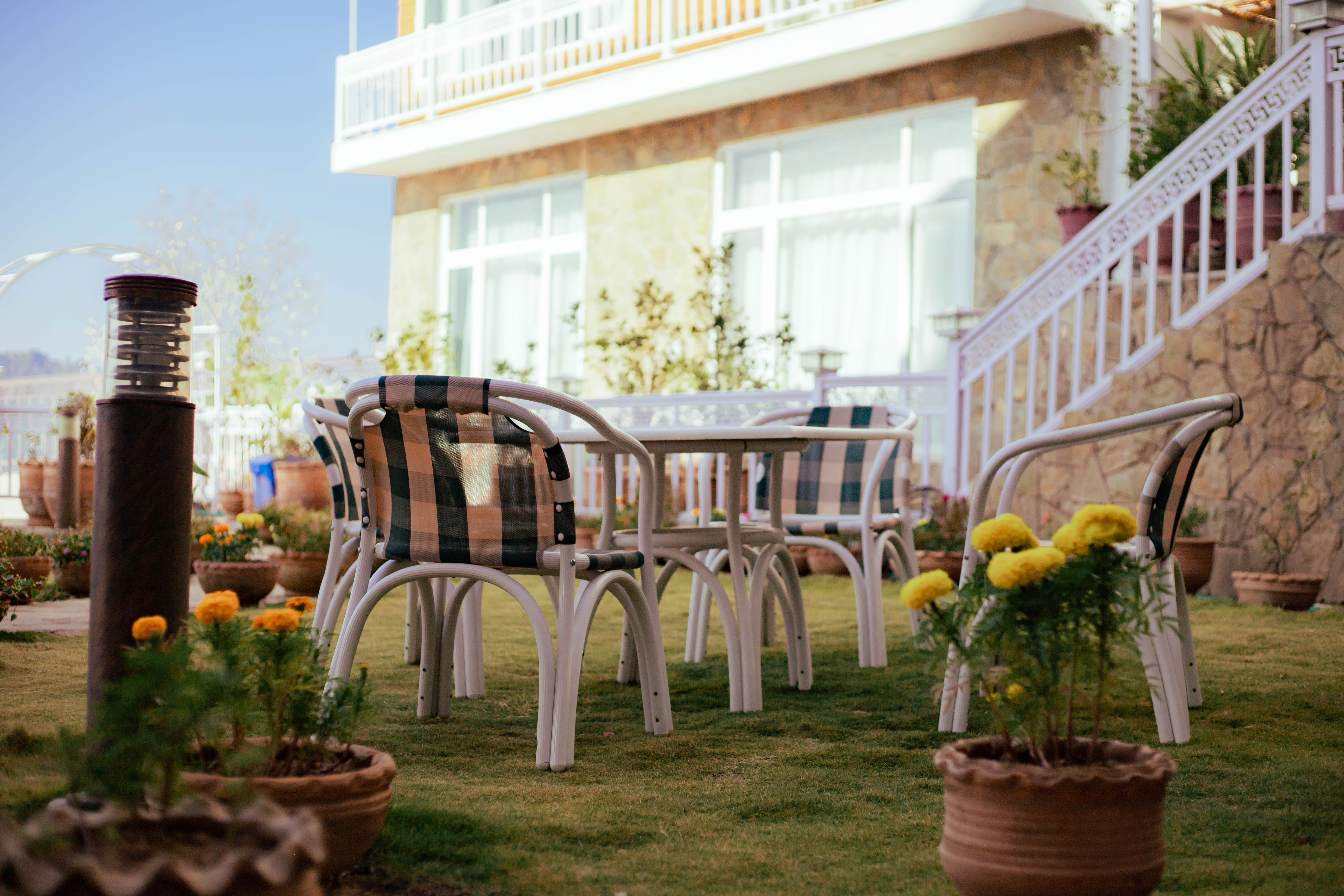
The Supply Trajectory
The current supply gap in Pakistan's mountain hospitality market — the absence of premium private estates in Nathia Gali, Shogran, and the accessible Kaghan Valley — will not remain unfilled indefinitely. The commercial demonstration that Himalaya Villas provides will eventually attract investment capital to comparable developments.
The question for the Bhurban market specifically is whether the supply expansion happens in Bhurban itself (additional private estates on the same road) or in adjacent locations (Nathia Gali, higher Galyat) first. Both scenarios are plausible; both create a more developed mountain hospitality market that collectively benefits from higher visitor awareness and investment.
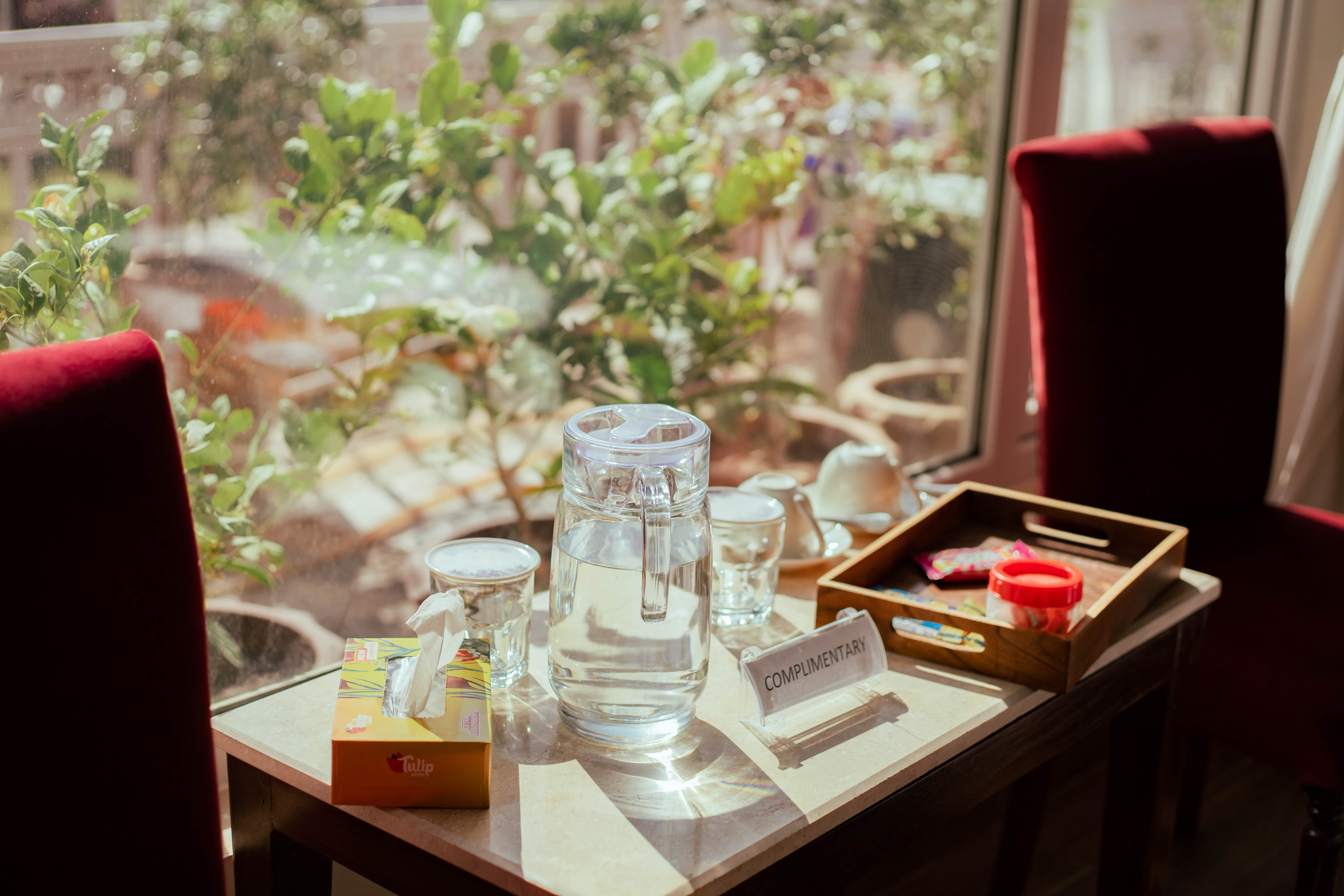
The Environmental Constraint
The one trajectory that does not favour growth is the environmental one: the forest area available for development is fixed, and development reduces it. The balance between tourism growth and forest preservation will be the defining policy question of mountain tourism in the next decade.
The private estate model, as argued earlier in this series, is structurally more aligned with forest preservation than mass hotel development. But 'more aligned' is not 'perfect' — even the private estate model requires land, energy, and water. The growth of the sector will require stronger environmental governance than Pakistan has historically applied to mountain development.
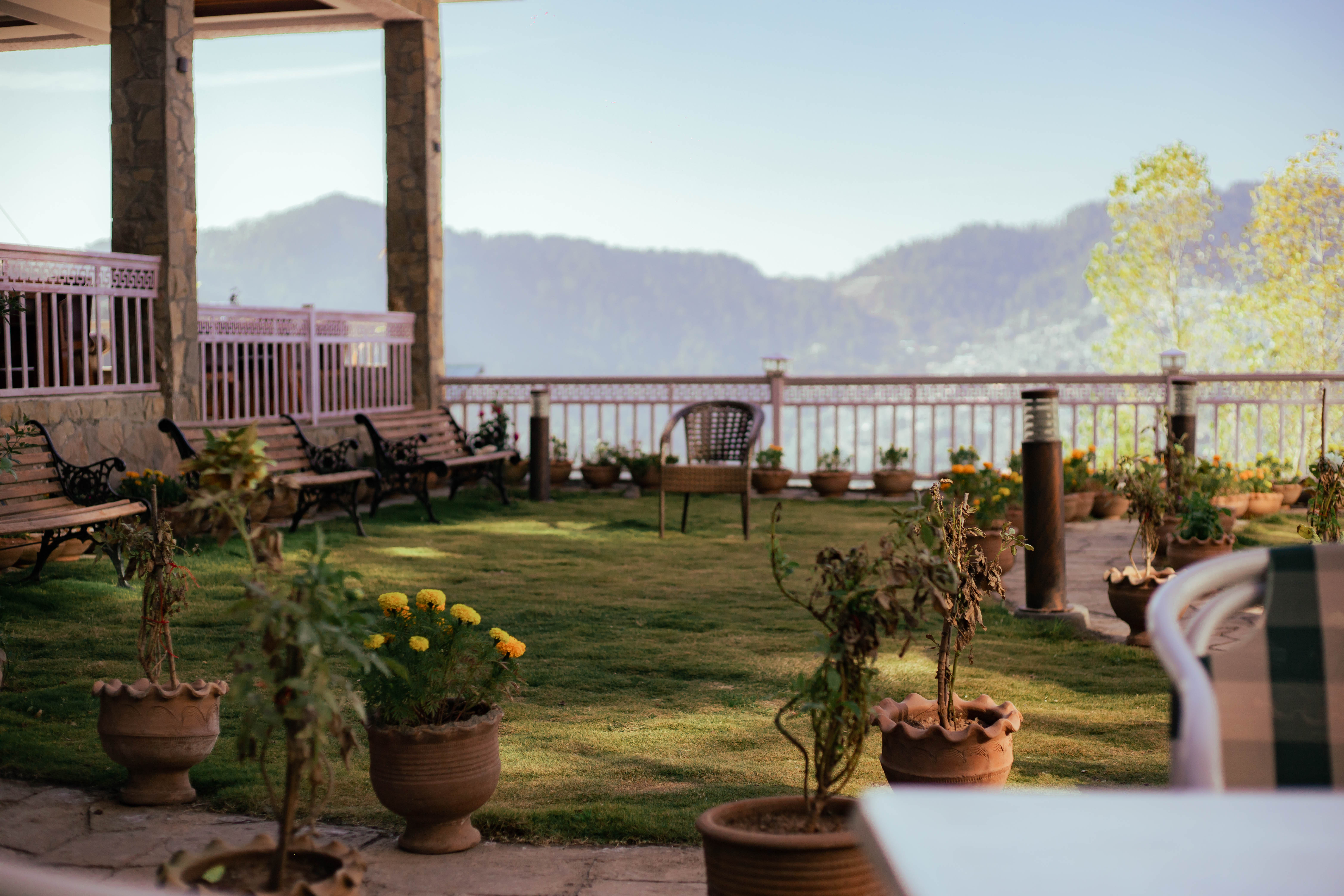
Himalaya Villas & Resorts — Present Case Study for Pakistan's Mountain Tourism Future
Experience the future of Pakistan mountain tourism.
Book your mountain future stay.
Visit himalayavillas.comWhatsApp: +92 304 567 9000