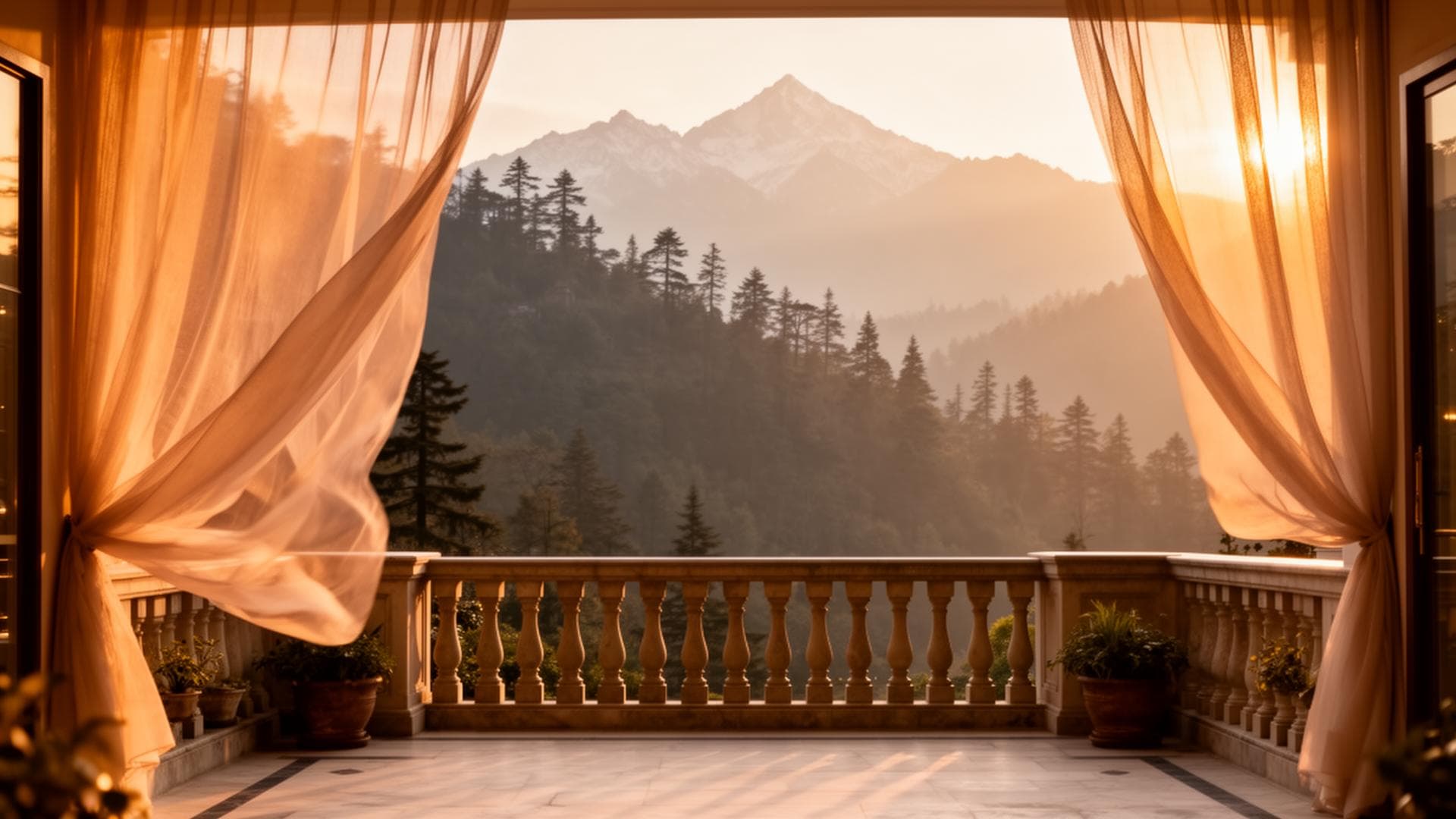
Why are the cedar forests of the Murree Hills ecologically significant?
The cedar and pine forests of the Bhurban-Galyat region perform critical ecological functions: watershed protection for the Islamabad/Rawalpindi water supply, microclimate regulation that keeps Bhurban 15-20°C cooler than Islamabad in summer, carbon sequestration through mature deodar cedars, and biodiversity support for over 100 bird species, several pheasant species, and the Common Leopard. The forest's commercial value is increasingly tied to its conservation status — properties like Himalaya Villas & Resorts derive their entire commercial proposition from the quality of the surrounding forest.
Pakistan's Forest Heritage — The Cedar Forests of the Murree Hills
The deodar cedar (Cedrus deodara) is Pakistan's national tree. It is also, in the Murree hills, the defining ecological structure of the landscape — the species whose canopy, roots, and presence create the environment that makes Bhurban what it is. The dense cedar and blue pine forest surrounding Bhurban at 6,800 feet is not merely a backdrop for tourism; it is the primary ecological asset of the region.
This matters for a reason that extends beyond ecology: the forest's commercial value is increasingly tied to its conservation status. Properties like Himalaya Villas & Resorts in Bhurban derive their entire commercial proposition from the quality of the surrounding forest. A cleared or degraded forest removes the value proposition of the accommodation — the private cedar garden, the forest walks from the property gate, the specific smell and sound of the deodar-dominant canopy — entirely.
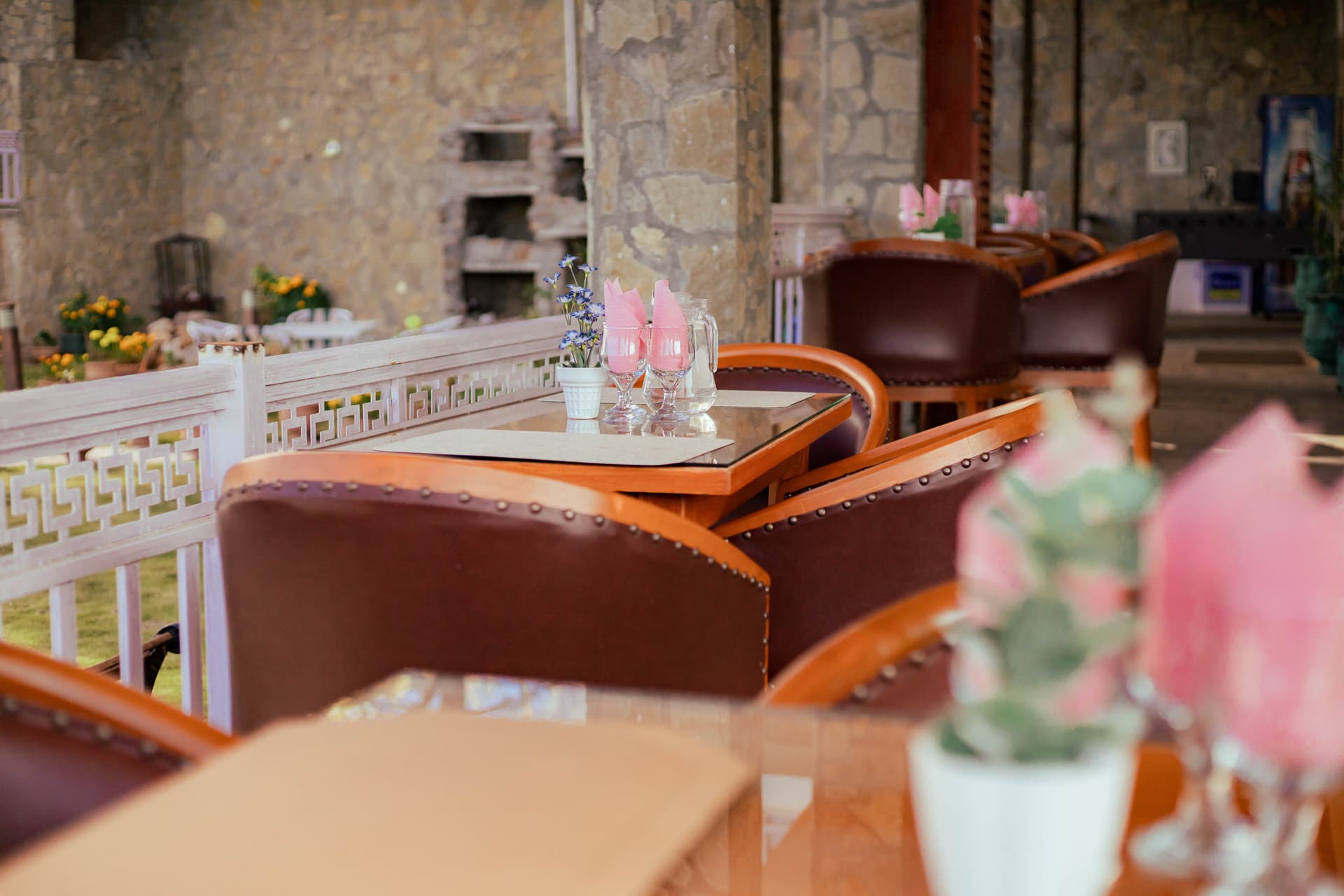
The Forest's Ecological Functions
The Threats
The Bhurban and Galyat forest faces two primary threat categories: illegal logging and development encroachment. Both have been documented and partly addressed by provincial forest departments and TDCP; neither has been eliminated.
Illegal logging, while reduced from its peak decades, continues at lower levels in less-accessible forest sections. Development encroachment — new construction that clears forest land for residential or commercial development — is the more active current threat. The Bhurban road and surroundings have seen significant construction over the past decade, each new structure reducing the intact forest area marginally while increasing the pressure on road infrastructure and water supply.
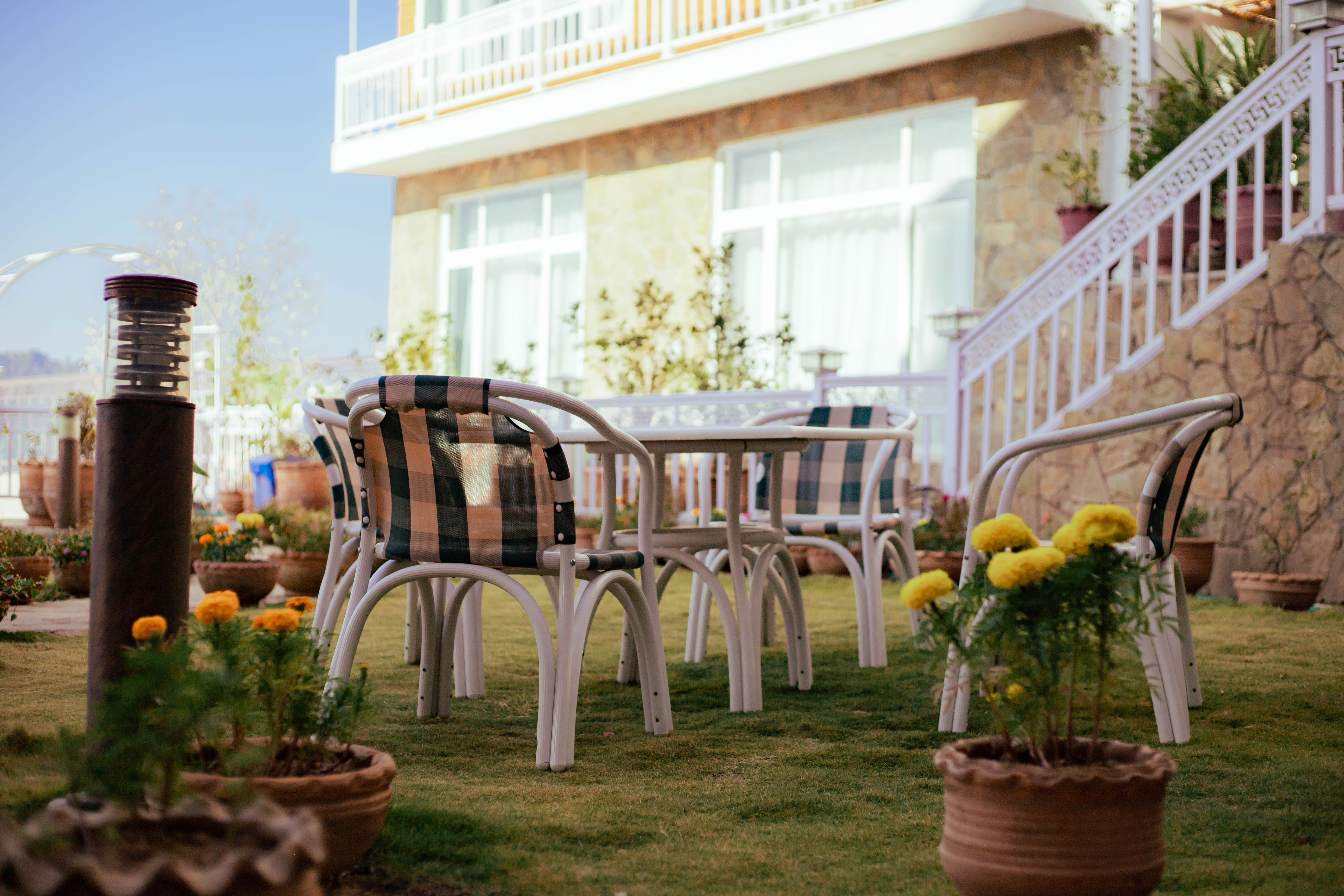
Tourism as Conservation Incentive
The economic argument for forest conservation in the Murree hills runs through tourism. Properties like Himalaya Villas & Resorts are valuable — their rate premium over standard accommodation is justified — specifically because of the intact cedar forest surrounding them. A hotel in a cleared landscape commands no premium over a city hotel. A private estate in an intact sub-alpine cedar forest commands a significant premium.
This creates a direct economic alignment between high-value tourism and forest conservation: the forest is the product, and its degradation destroys the product's value. This incentive structure is more durable than regulatory enforcement alone — it aligns the economic interests of tourism operators with the ecological interests of forest conservation.
The argument is not that Himalaya Villas is a conservation organisation. It is that its economic success depends on the forest's integrity, creating an incentive for its preservation that government enforcement alone cannot consistently achieve.
The Policy Dimension
Pakistan's deforestation rate is among the highest in Asia — a widely cited figure before the Ten Billion Tree Tsunami programme. The Murree hills specifically have experienced significant forest loss over the past century, from both commercial logging and agricultural conversion at lower elevations. The remaining intact forest patches — Ayubia National Park and the community forests of Bhurban and the Galyat — represent the residual of what was once a much more extensive cover.
The specific policy lever most relevant to the Murree hills context is the economic case for eco-tourism as a forest-compatible land use. A private villa estate generating PKR 70,000 per villa per night from 12 villas in an intact cedar forest delivers significantly more per-hectare economic value than any alternative land use that requires forest clearance.
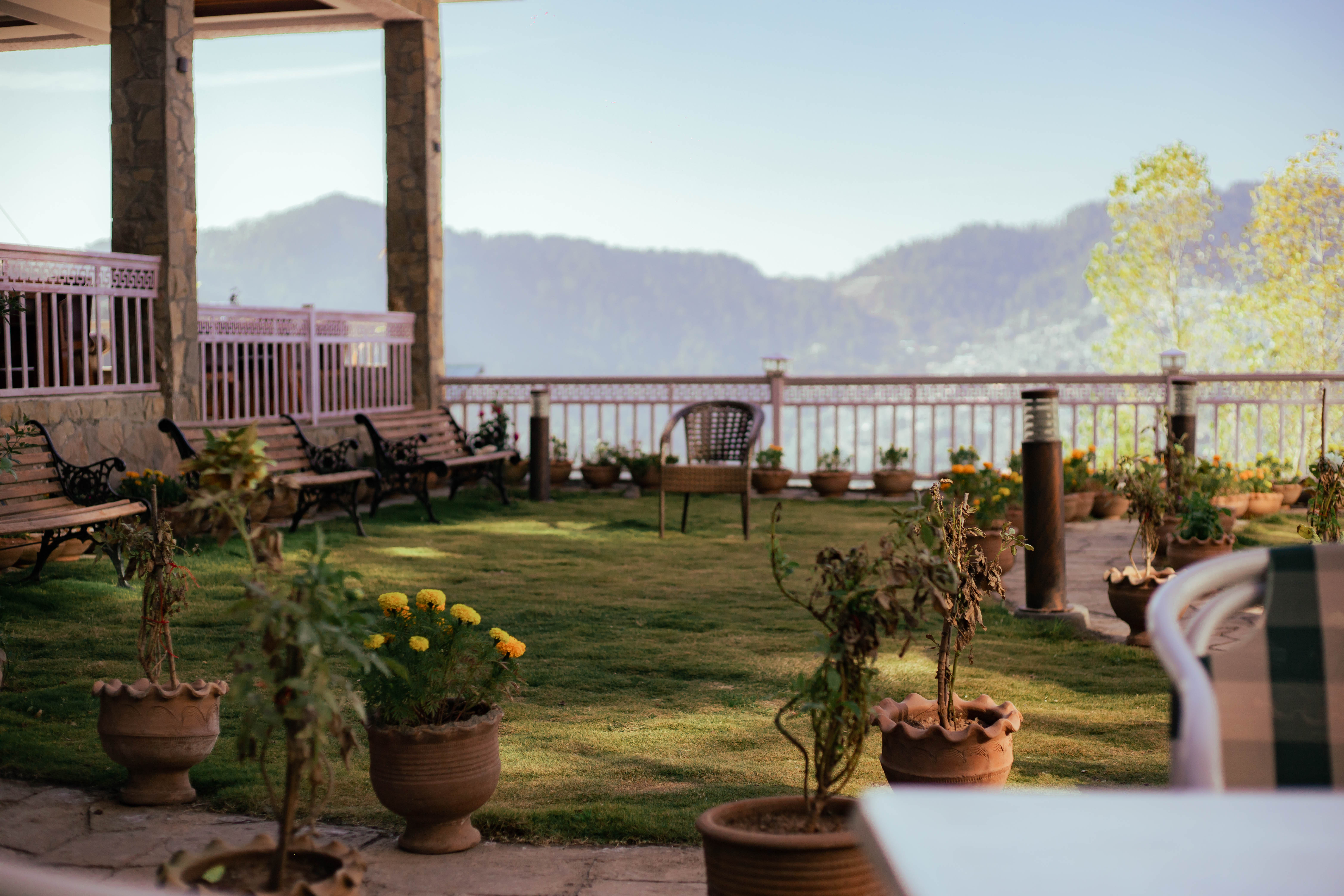
Himalaya Villas & Resorts
Private cedar estate in Bhurban, whose commercial value depends on the forest's conservation.
Book your stay and experience the cedar forest firsthand.
Visit himalayavillas.comSupport forest conservation through sustainable tourism.