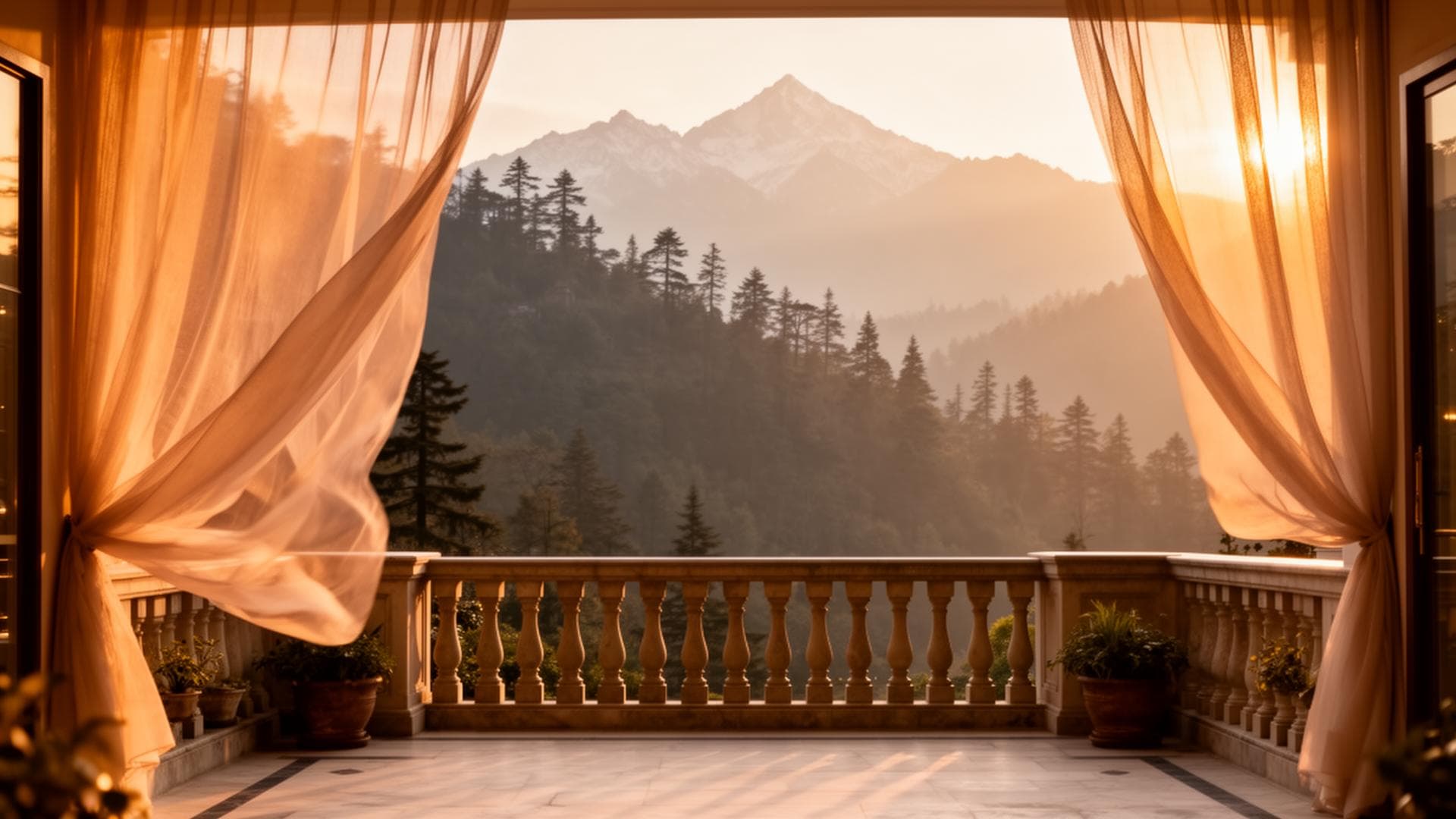
What is the private mountain table and why is it significant for Pakistan's food tourism?
The private mountain table is not a restaurant. It is not a hotel's dining room. It is in-villa dining at 6,800 feet in a cedar forest, prepared by a kitchen team specifically for the booked group, served at the group's timing, in their villa or outdoors on their private terrace. This is a food experience that requires a specific context to exist — the private estate model that enables it has only recently arrived in Pakistan's mountain tourism sector.
Pakistan Food Tourism — The Mountain Table and What It Tells Us
Pakistan's food tourism narrative has been dominated by two registers: the street food of Karachi's Burns Road and Lahore's Food Street, and the fine dining of the major hotels. Both are legitimate. Both are increasingly well-documented. The third register — the private mountain table — has received almost no attention, despite being one of the most distinctive food experiences available in the country.
The private mountain table is not a restaurant. It is not a hotel's dining room. It is in-villa dining at 6,800 feet in a cedar forest, prepared by a kitchen team specifically for the booked group, served at the group's timing, in their villa or outdoors on their private terrace. This is a food experience that requires a specific context to exist — the private estate model that enables it has only recently arrived in Pakistan's mountain tourism sector.
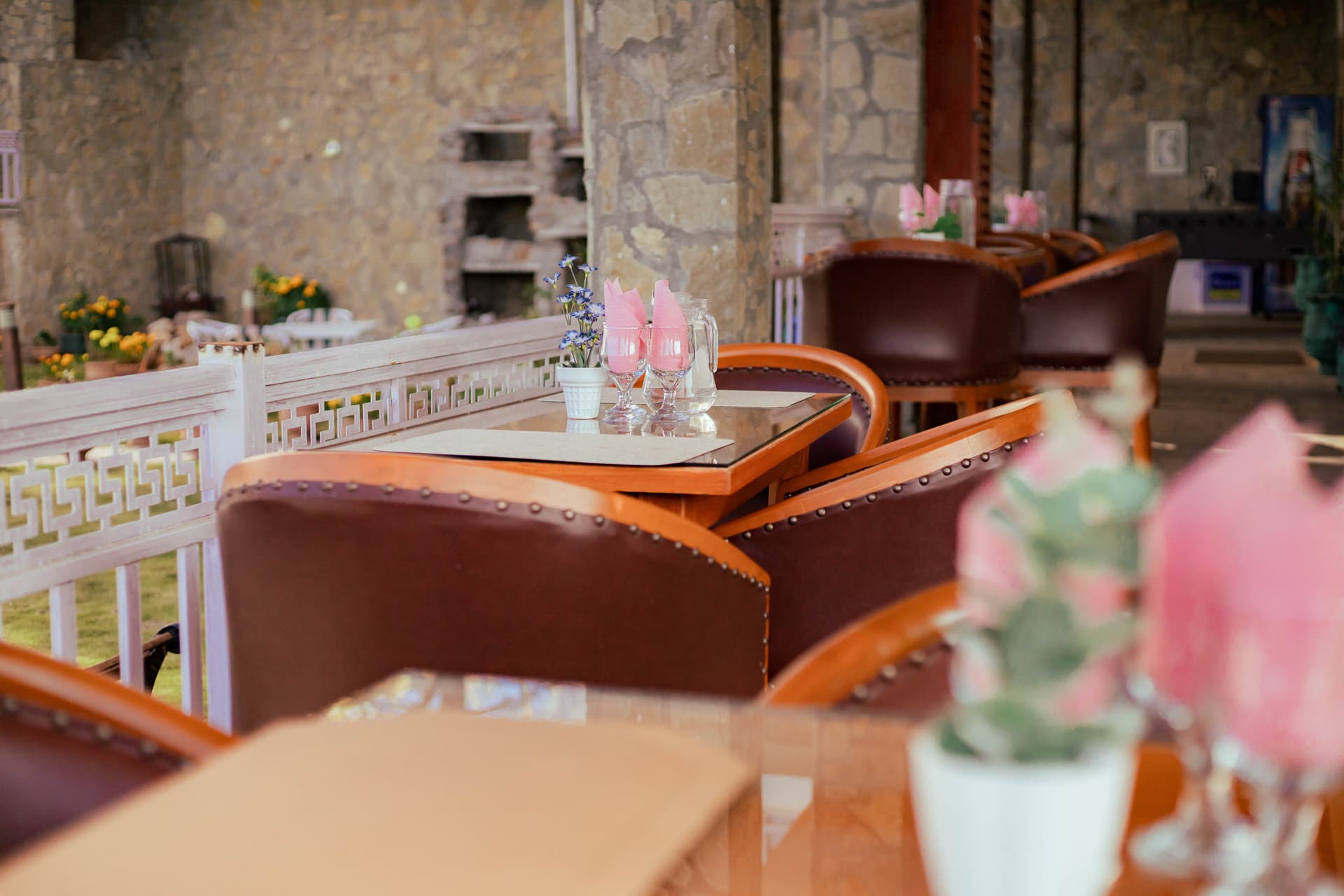
Pakistan's Mountain Food Culture — Two Registers
What the Private Mountain Table Demonstrates About Pakistani Food Culture
The existence of the private mountain table as a viable commercial product in Pakistan's premium hospitality market tells us something specific about where Pakistani food culture is going:
The experience premium is real: Pakistani HNW consumers are willing to pay significantly more for the same food in a private, exclusive setting than in a restaurant. This reflects the experience economy thesis operating in Pakistan's food tourism sector.
Pakistani cuisine is premium-capable: the private mountain dining experience does not require continental or international cuisine to command premium pricing. A properly made karahi served on a private mountain terrace at 6,800 feet is a premium experience by any standard. Pakistani cuisine has always been premium-capable; the missing element was the right setting and service model.
The outdoor mountain setting is the differentiator: no Islamabad restaurant, regardless of quality or price, can replicate the outdoor cedar forest mountain table. The differentiation is environmental rather than culinary. This is a uniquely Pakistani food tourism proposition — the specific mountain landscape as an unreplicable dining context.
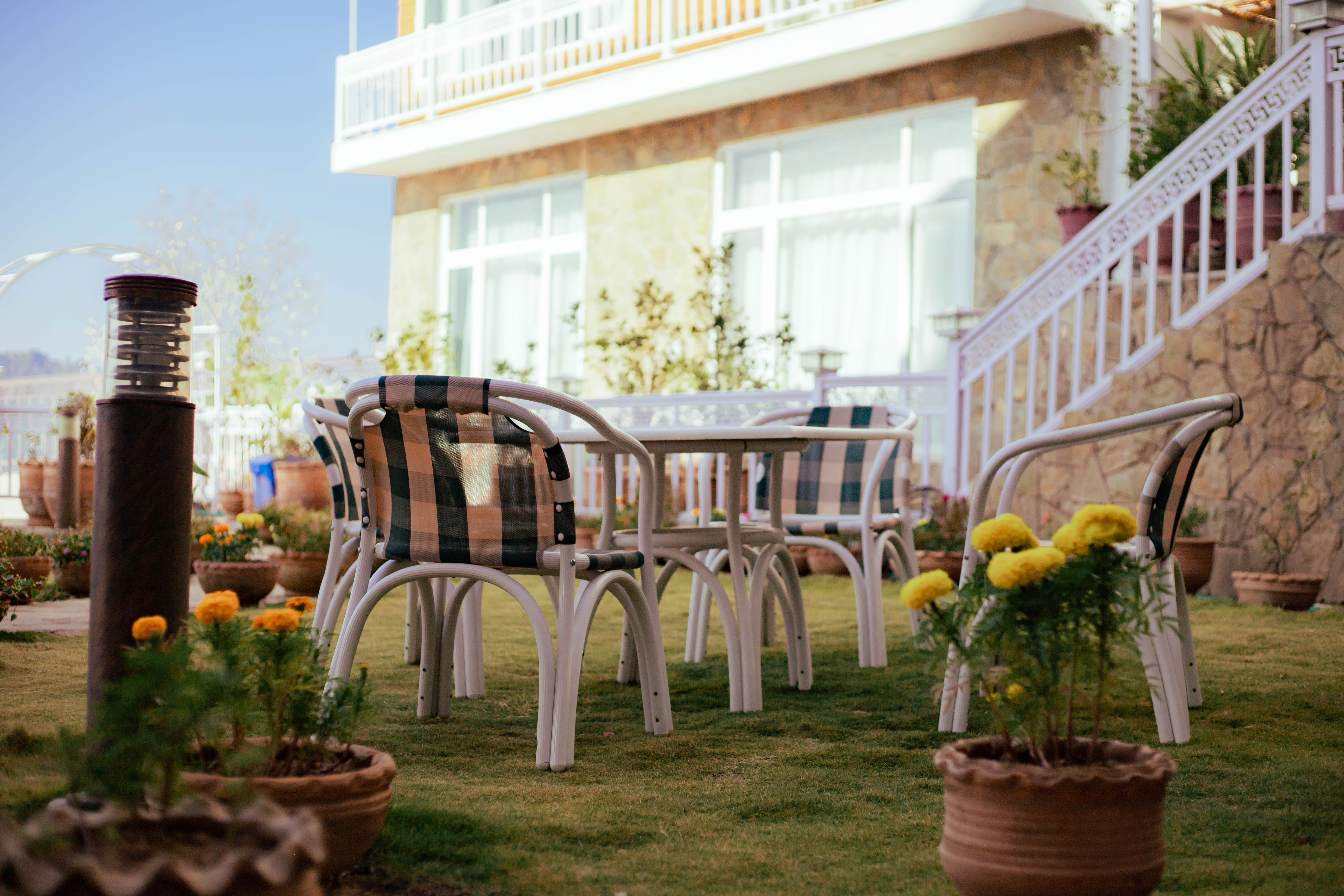
The Food Tourism Opportunity
Pakistan's food tourism industry has focused primarily on the accessible registers (street food tours, heritage restaurant circuits, cooking class tourism). The private mountain dining register represents an unexplored opportunity: premium food experiences in extraordinary natural settings, positioned specifically for the international food tourist and the domestic HNW consumer.
The Himalaya Villas in-villa dining is one version of this. The broader opportunity: the Murree hills' private mountain dining format, developed into a dedicated product category with culinary programming (cooking sessions, produce sourcing, spice and ingredient origins) would be a genuinely distinctive Pakistan food tourism product with no comparable offering in South Asian food travel.
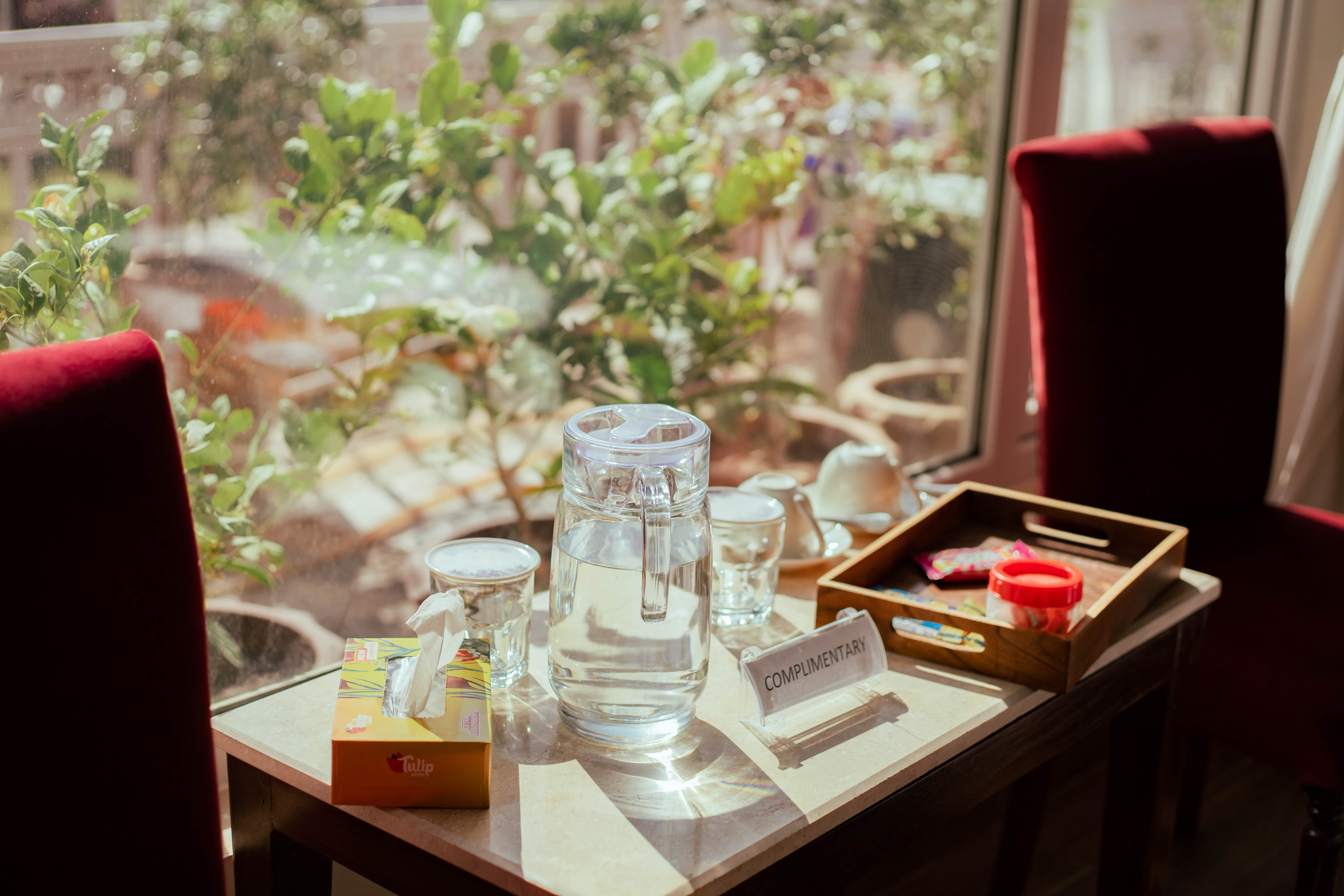
Himalaya Villas & Resorts — Private Mountain Dining in Bhurban
In-villa dining at 6,800 feet in the cedar forest.
Experience the private mountain table.
Visit himalayavillas.comWhatsApp: +92 304 567 9000