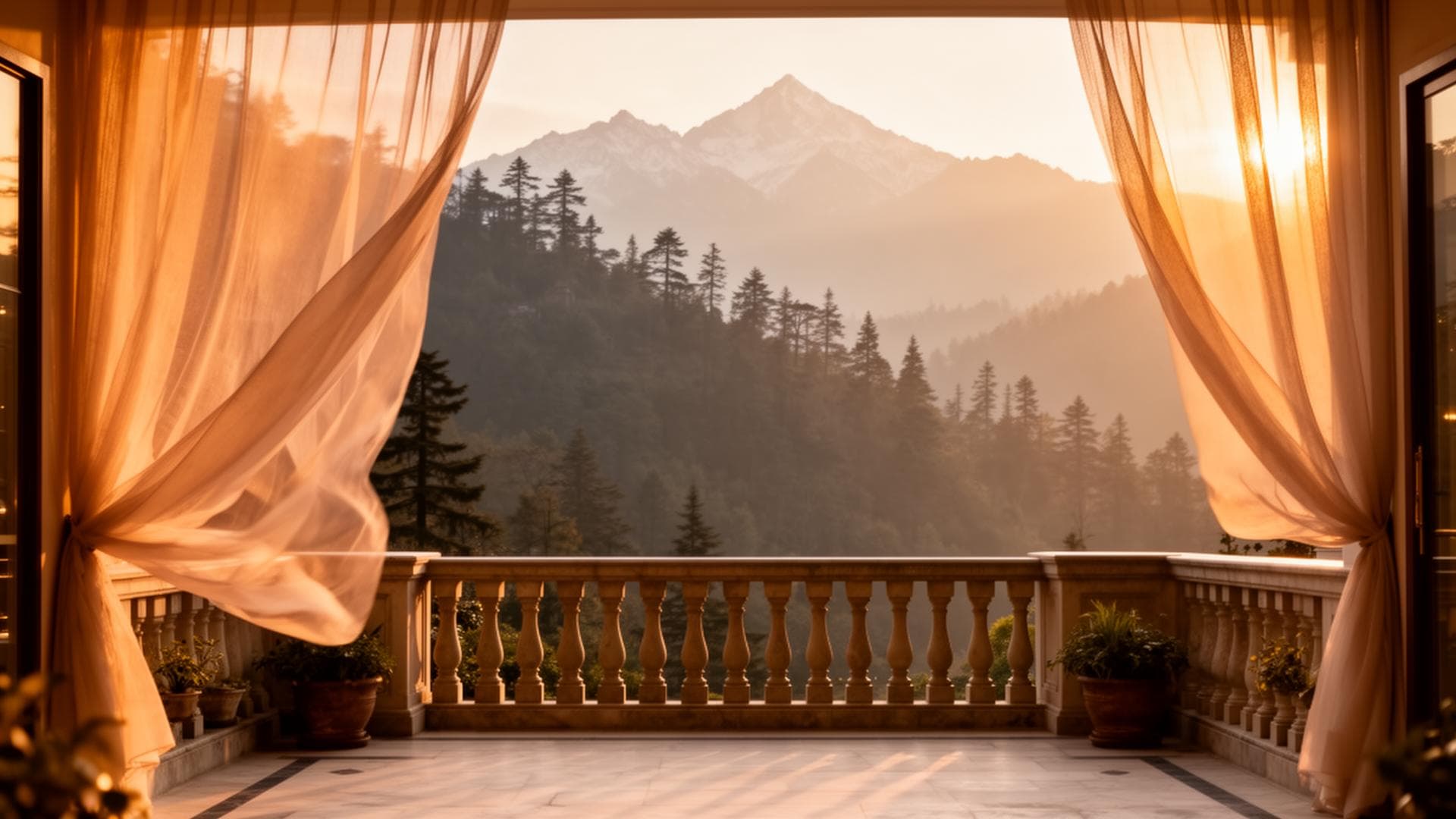
How does 48 hours in the Bhurban cedar forest help with chronic stress recovery?
Natural environments interrupt the chronic stress cycle through four mechanisms: reduced noise floor (from 65-85dB to 30-45dB) reduces sympathetic nervous system activation; phytoncides from cedar and pine trees modulate immune function and cortisol markers; visual complexity of natural environments produces measurably different cognitive load than the built environment; and the absence of social demands removes the social performance overhead that urban life imposes. The private estate model is specifically relevant because chronic stress is partly social — the hotel environment does not remove social performance demands. The private villa provides the genuine social relief that is the necessary condition for cortisol recovery. Research shows 24-48 hours is the minimum effective dose for measurable physiological impact.
Mountain Wellness for Chronic Stress — What 48 Hours in a Cedar Forest Changes
Chronic stress is Pakistan's least-discussed public health challenge. The professional class in Islamabad, Lahore, and Karachi operates under sustained occupational pressure — the long hours, the traffic, the ambient economic anxiety, the relentless demand of digital connectivity — that has accumulated into a generational burnout pattern that the country's healthcare system is only beginning to address.
The pharmaceutical response to chronic stress is well-resourced; the environmental response is almost entirely neglected. The environmental response is also, in many cases, more directly effective for the specific physiological condition that chronic stress creates.
The Physiology of Chronic Stress and Why Environment Helps
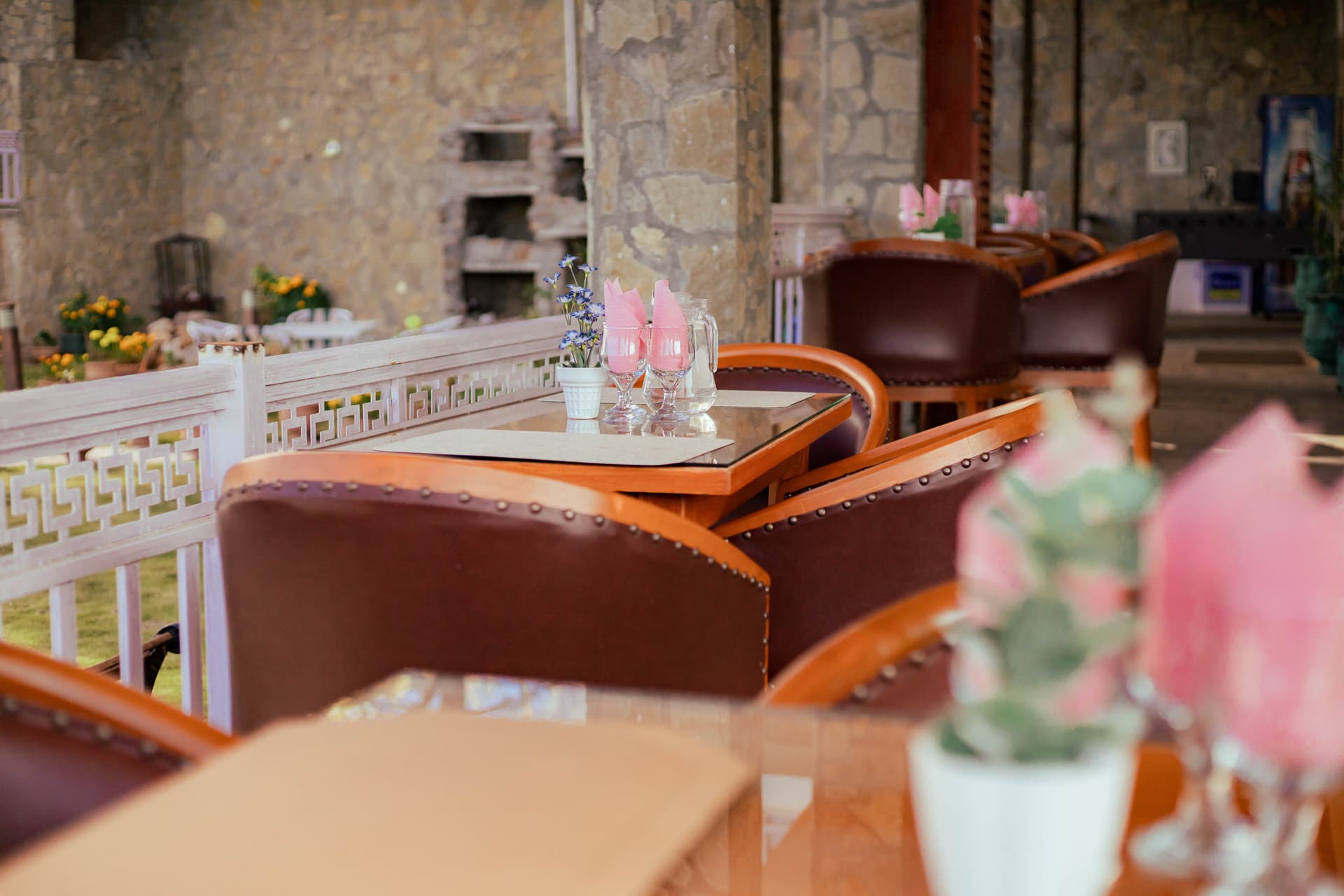
Chronic stress operates through the HPA axis (hypothalamic-pituitary-adrenal) — the sustained activation of cortisol production that evolved for acute threat response but is maladaptively triggered by the chronic, low-level demands of modern professional life. The city environment — its noise, its visual complexity, its social demands, its traffic — is a continuous cortisol trigger. The urban professional's baseline cortisol is elevated compared to the historical human norm.
Natural environments interrupt this cycle through several mechanisms: reduced noise floor (from 65-85dB in the city to 30-45dB in the forest) reduces sympathetic nervous system activation; phytoncides from cedar and pine trees directly modulate immune function and cortisol markers; visual complexity of natural environments (fractals rather than hard geometries) produces measurably different cognitive load than the built environment; and the absence of social demands in a private outdoor space removes the social performance overhead that urban life imposes.
48 hours in the Bhurban cedar forest at 6,800 feet delivers all four mechanisms simultaneously.

Why the Private Estate Matters for Chronic Stress Recovery
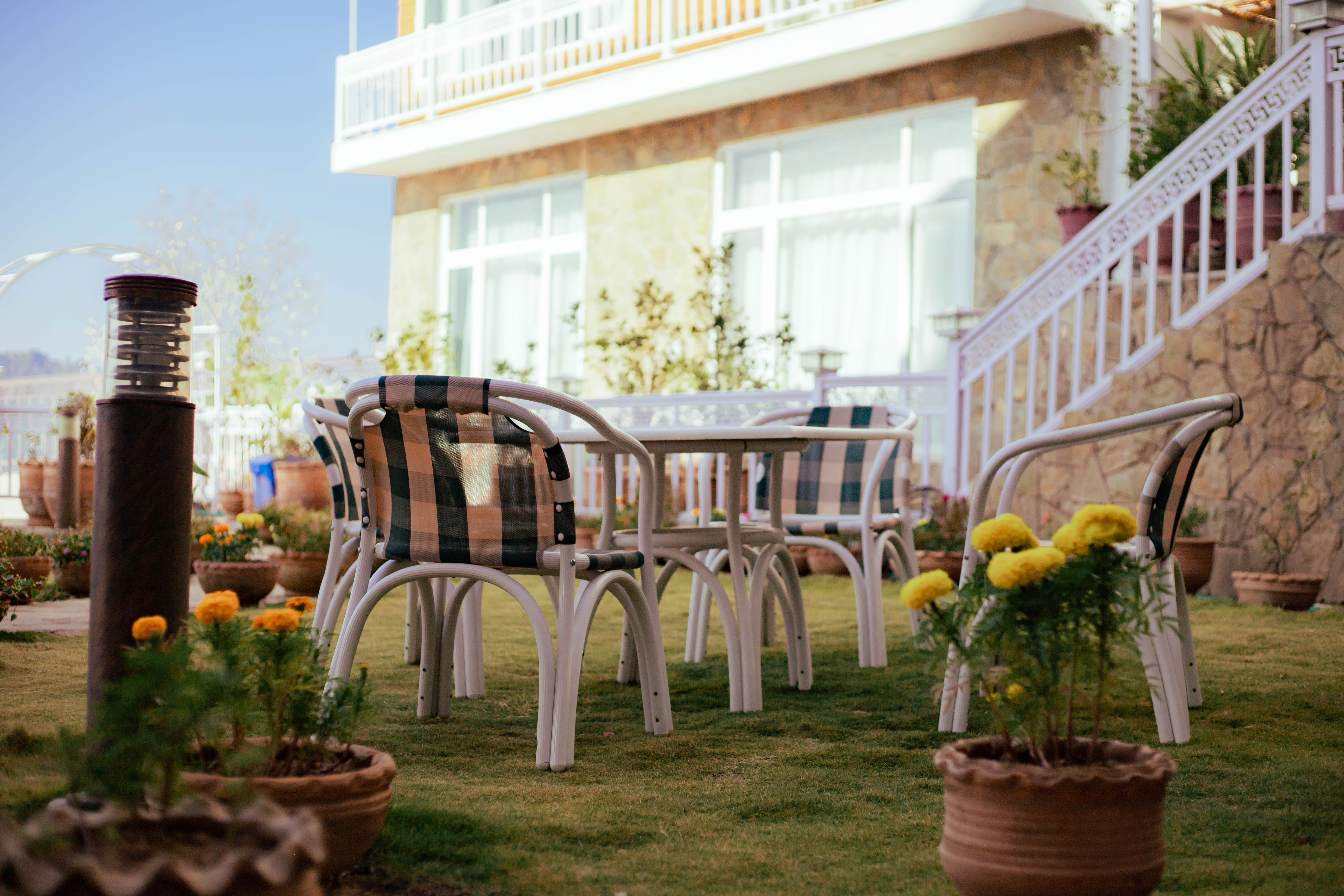
The private estate model is specifically relevant for chronic stress recovery because chronic stress is partly social — sustained exposure to social performance demands. The hotel environment, with its shared spaces and its ambient awareness of other guests, does not remove social performance demands. The private villa estate, where the outdoor spaces belong exclusively to the guest, provides the genuine social relief that is the necessary condition for cortisol recovery.
The guest in a private Himalaya Villas villa at 6,800 feet in the cedar forest is not managing social demands. The fire pit, the terrace, the cedar garden — all of these are private. The only social interactions are chosen: with the group that came with them. This is the environmental condition that the chronic stress patient needs and that the city hotel cannot structurally provide.
The Minimum Effective Dose
Research on nature-based stress recovery consistently shows that 24-48 hours is the minimum effective dose for measurable physiological impact — cortisol reduction, improved immune markers, measurable mood improvement. Less than 24 hours shows minimal effect; 48 hours shows statistically significant impact.
Himalaya Villas in Bhurban, 45 minutes from Islamabad, delivers exactly this dose. The Friday evening arrival and Sunday morning departure is the 48-hour minimum effective intervention. The distance is short enough to make it a regular practice rather than a once-yearly commitment.
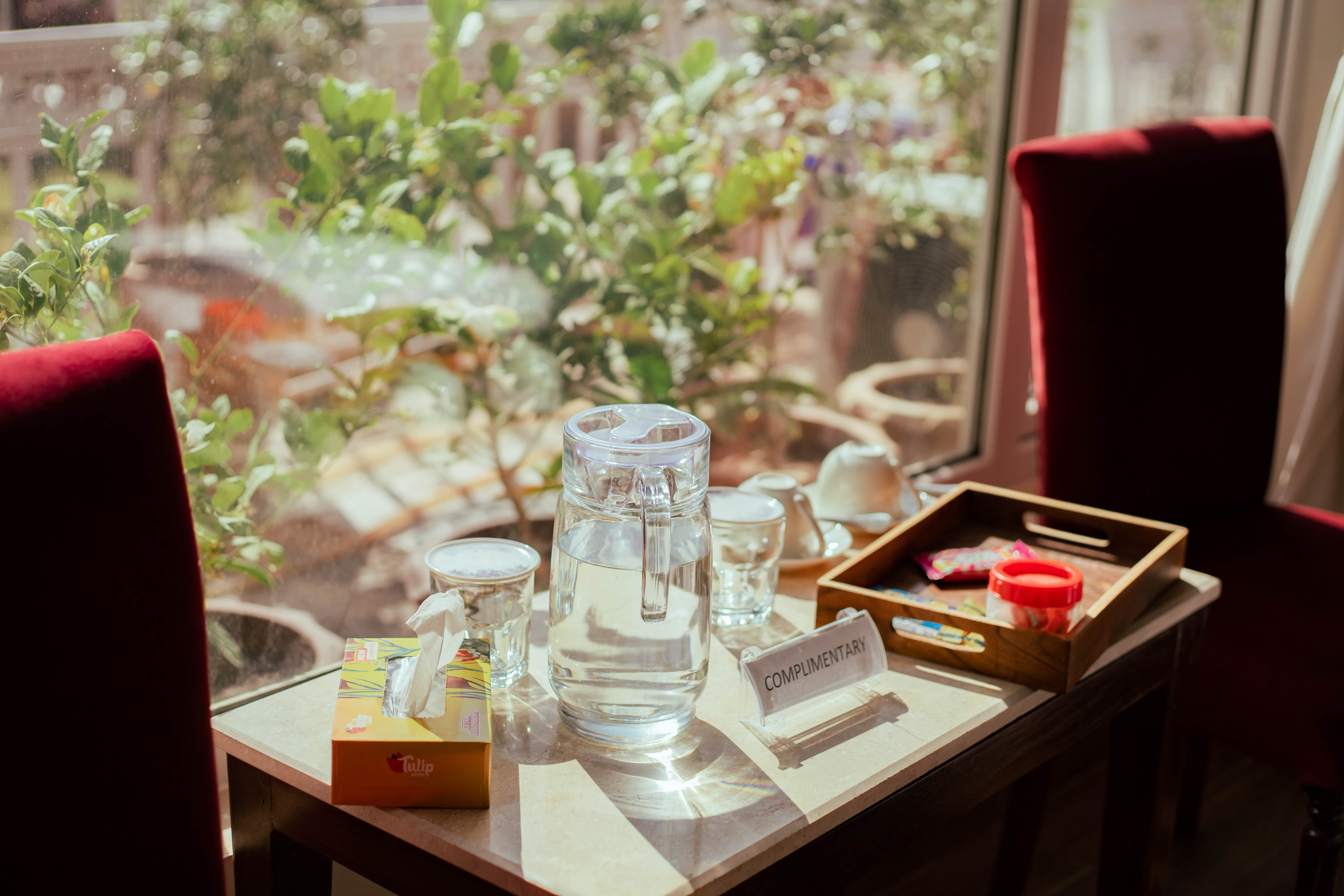
Himalaya Villas & Resorts — The 48-Hour Chronic Stress Intervention, 45 Minutes from Islamabad
Book your stress recovery stay.
Experience the 48-hour mountain reset.
Visit himalayavillas.comWhatsApp: +92 304 567 9000