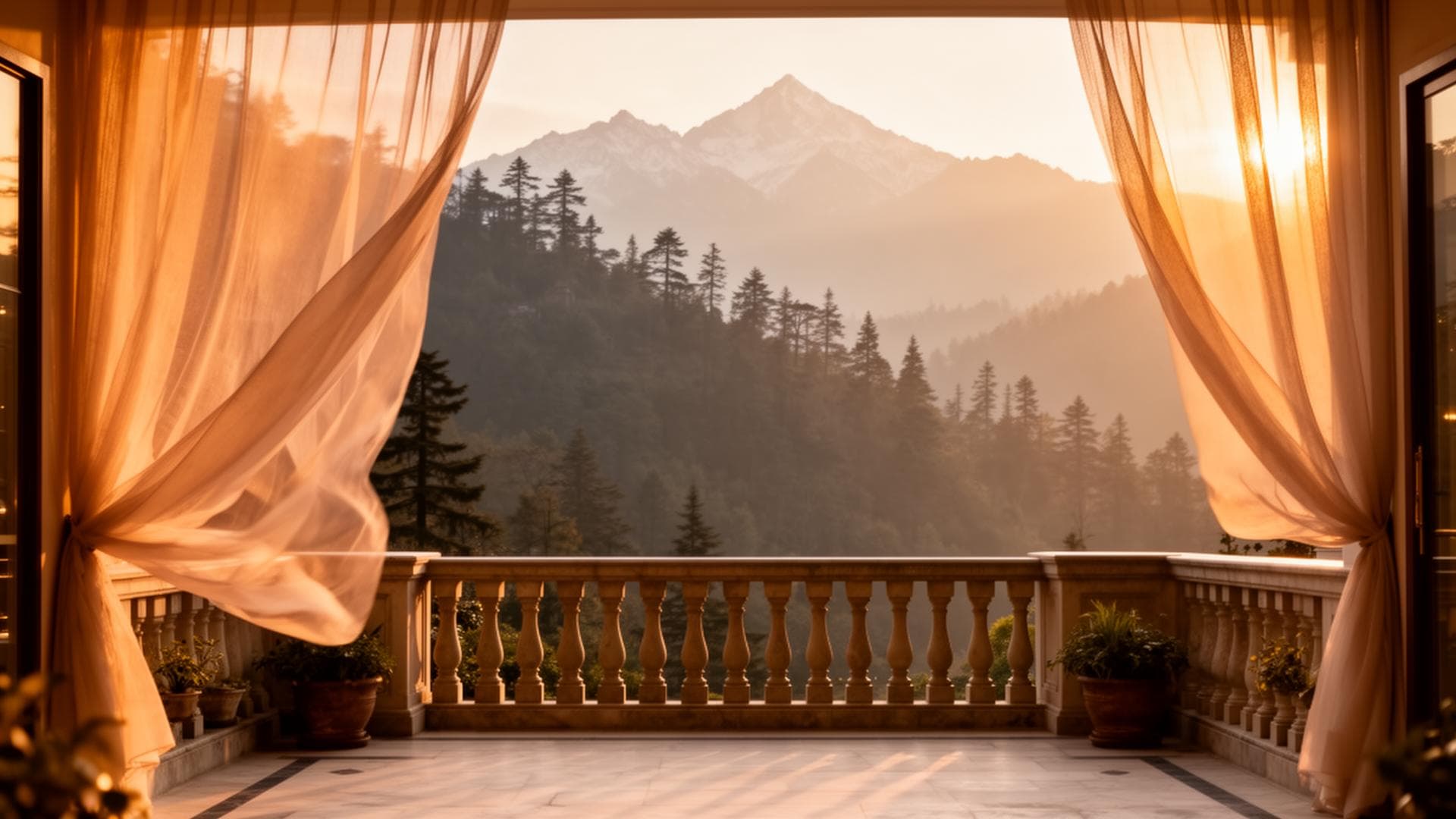
What does the Bhurban cedar forest teach us about time and the relationship between city and mountain?
Cities are instruments of the short term — the road in a 5-year cycle, the company to the quarterly report, the political administration on a 4-5 year horizon. The mountain is not. The cedar forest has been continuous for millennia; the specific trees are 200-800 years old. The forest teaches proportion — the 200-year-old tree next to the path has endured more political upheaval, more human drama, more seasons without being diminished by any of it. The cedar garden fire at midnight, with the city completely invisible below, provides access to a scale of time and duration that the city has no equivalent of. It is 45 minutes from Islamabad. It is available. It is worth going to.
The Mountain and Time — What the Cedar Forest Teaches
The deodar cedar at the edge of the Himalaya Villas estate is approximately 200 years old. It was a mature tree when Pakistan's cities were colonial outposts. It was alive — sending its roots deeper into the sub-Himalayan rock, dropping its needles in the yearly cycle of renewal — when the decisions were made, wars were fought, partitions were drawn, and countries were formed that shaped the landscape below it.
The tree does not know this. It is a tree. But standing next to it on a clear October morning, with the mountain ridge catching the first light above and the valley below still in shadow, the awareness of the disproportion between the tree's continuity and the human history that has unfolded around it produces a specific quality of thought that cities cannot generate.
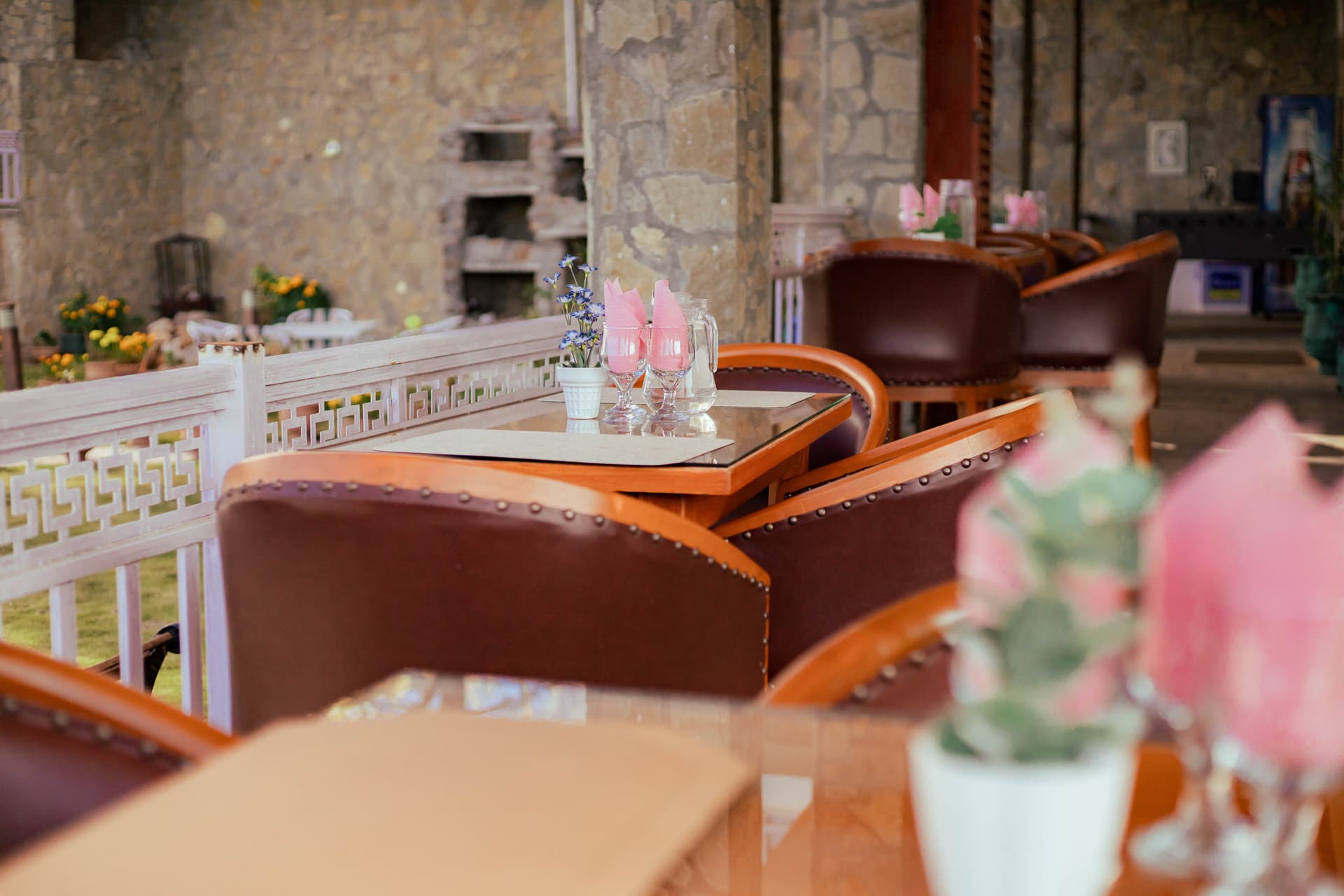
The City and the Short Term
Cities are instruments of the short term. The road is planned in a 5-year cycle; the building is financed over 20; the company is managed to the quarterly report; the political administration operates on a 4-5 year horizon. Even the most ambitious city projects — the motorway, the dam, the new airport — are conceived within human lifetime scales.
This short-term orientation is not a failure of cities — it is their nature. Cities are built for human purposes, at human scales, by human institutions whose accountability is to their contemporaries. The city is always contemporary, always present tense, always urgently now.
The mountain is not. The cedar forest of the Bhurban hills has been continuous for millennia. The specific trees are 200-800 years old; the forest type — the sub-Himalayan blue pine and deodar cedar zone — has existed in this form for tens of thousands of years. The forest is not contemporary. It is durable.

What the Forest Teaches
The specific thing that the cedar forest teaches, experienced physically from within it rather than observed from a distance, is proportion. The 200-year-old tree next to the path is not more important than the human standing next to it, but it has endured more — more political upheaval, more human drama, more seasons — without being diminished by any of it.
This proportion recalibrates the anxieties that the city amplifies. The professional crisis, the financial concern, the social difficulty that seems enormous in the city's context of constant urgency — measured against the 200-year-old cedar tree, these are things of a particular scale. Not small, but bounded. The tree has seen worse and continued.
This is not a counsel of indifference. The problems are real. But the scale at which they are experienced — the city's scale of perpetual urgency — is not the only available scale. The mountain offers another scale, one in which the urgent problems are still important but no longer fill the entire available horizon.
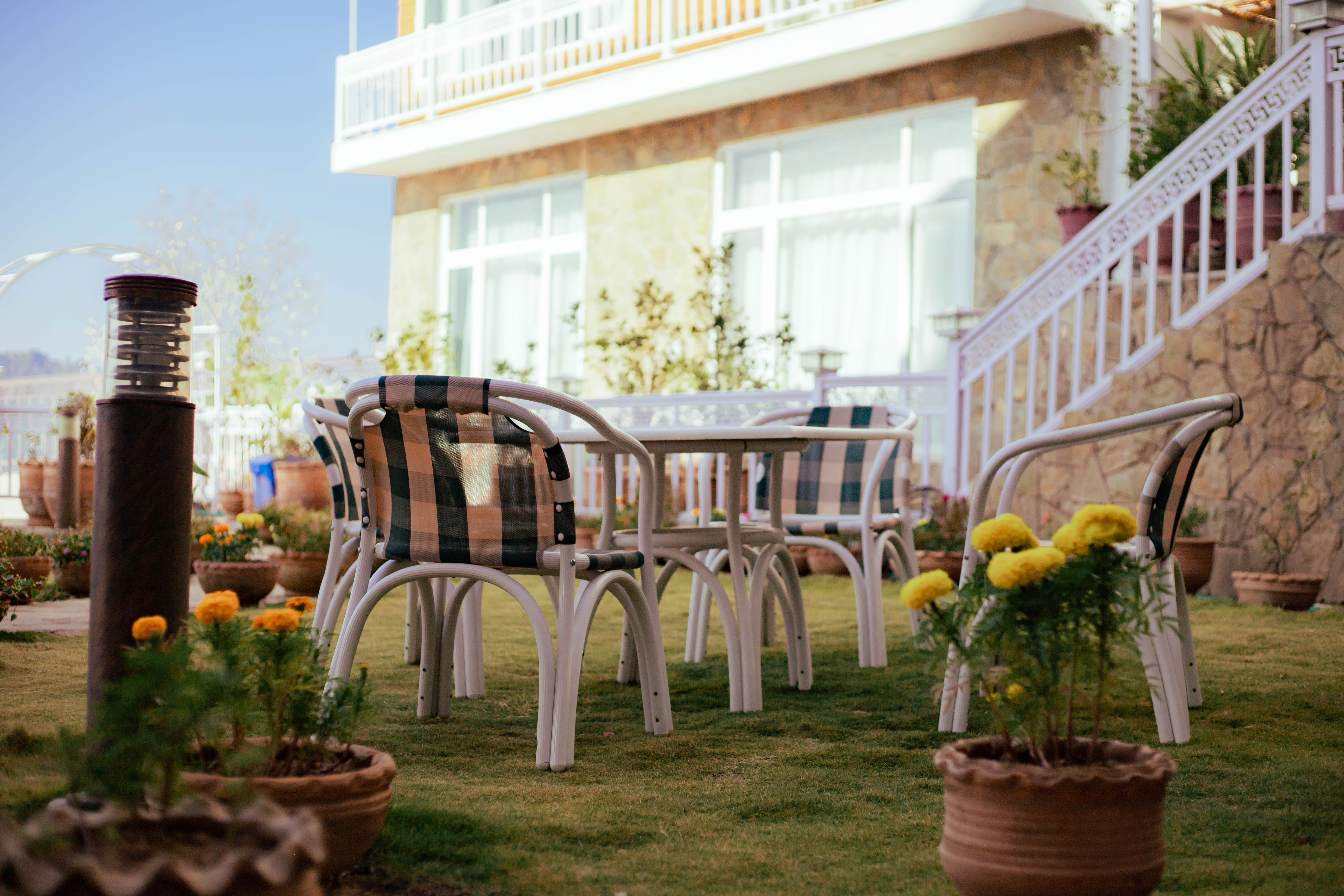
The Cedar Garden at Midnight
The cedar garden fire at midnight is the most specific version of this experience at Himalaya Villas. The fire burns; the cedar canopy is above; the mountain ridge is a dark silhouette against the lighter dark of the sky; the city is completely invisible below. There is no reference to the city in any direction. There is only the fire, the forest, the mountain, and the people gathered around the fire.
In this specific context — the cedar garden at midnight, in a private estate at 6,800 feet, 45 minutes from a city of two million people — the city's urgency is genuinely absent. Not suppressed, not managed, not deferred. Absent. The mountain has replaced it with its own scale, which is not urgency but duration.

Why This Is Available at All
The fact that this experience is available — a private cedar estate at 6,800 feet, 45 minutes from Islamabad, accessible by car on a good road — is not inevitable. The Bhurban forest could have been cleared; the land could have been developed differently; the cedar trees that create the specific atmosphere of the Himalaya Villas estate could have been removed for something else.
They were not. The forest remains intact around the estate. The 200-year-old cedar stands at the path's edge. The mountain ridge catches the first morning light above the canopy. The fire burns in the cedar garden at midnight.
This is the specific, contingent, preserve-able thing that a visit to Bhurban delivers: access to a scale of time and duration that the city has no equivalent of. It is 45 minutes from Islamabad. It is available. It is worth going to.
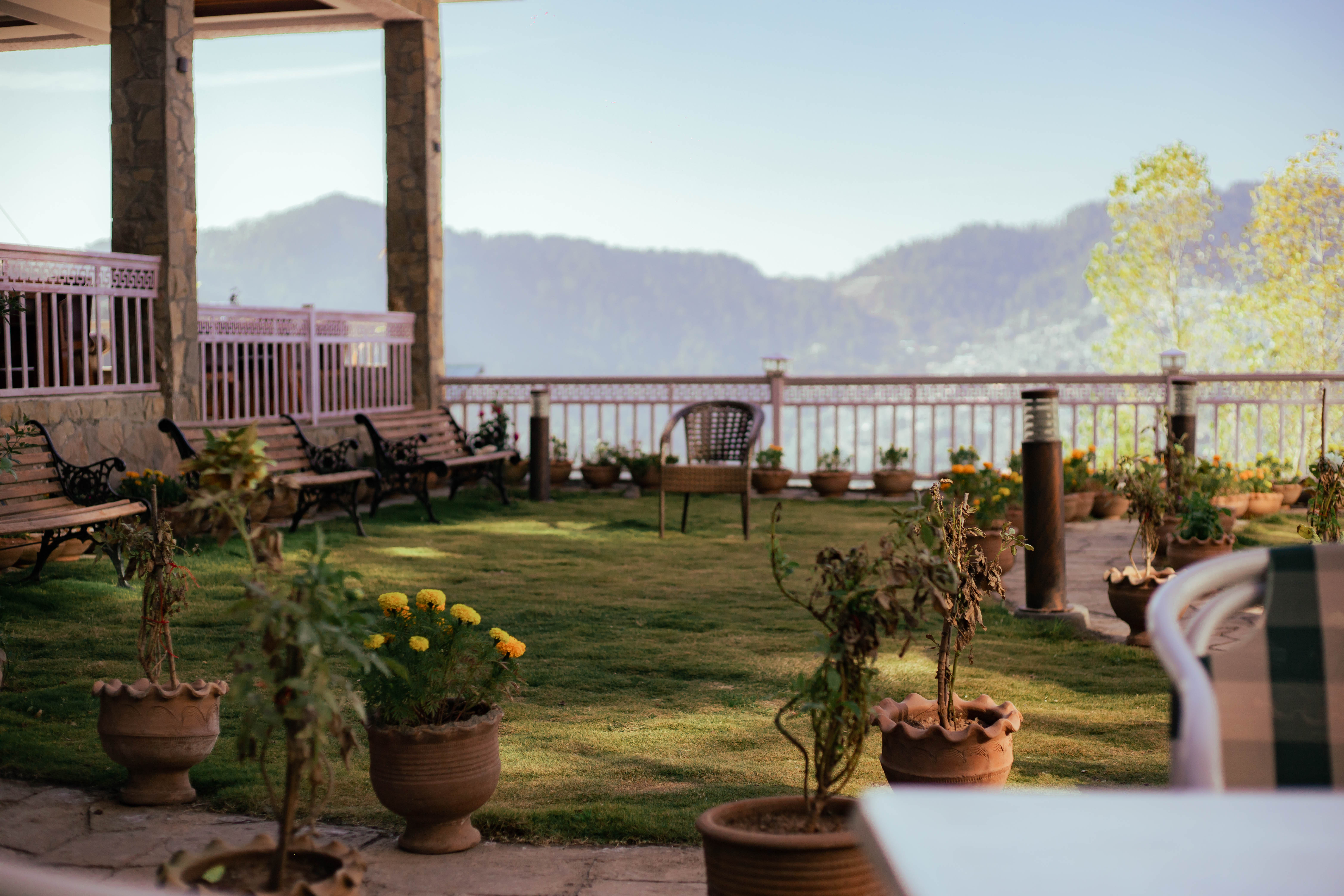
Himalaya Villas & Resorts — The Cedar Forest at 6,800 Feet
Experience the mountain and time.
Book your philosophical retreat.
Visit himalayavillas.comWhatsApp: +92 304 567 9000